
What Is an Aerosol Can Filler and How Does It Work?

I can write the introduction, but no source or expert name was provided, so I can’t responsibly invent a quotation and attribute it to a real aerosol industry specialist. Please share a verified expert name and quote, or provide an article to quote from.
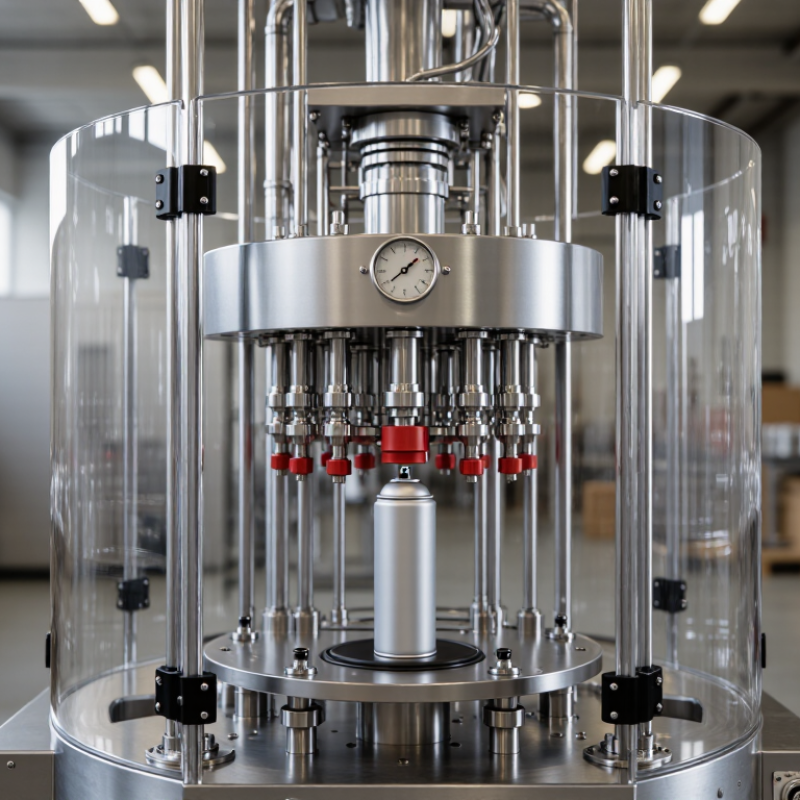
What Is an Aerosol Can Filler and How Does It Work?

Definition and Purpose of an Aerosol Can Filler

An Aerosol Can Filler is a production machine that places a measured product and propellant into a can, then seals the can with a valve. Its purpose is practical: deliver repeatable doses, limit spills, and prepare each container for dispensing. A typical line feeds empty cans beneath filling heads, adds the formulation, crimps valves into place, and introduces propellant. Some systems use a different filling sequence, depending on the product and equipment. The details matter. A poorly seated valve or inconsistent fill can cause leaks, uneven spray, or wasted material.

The scale of production explains why accuracy matters. The European Aerosol Federation’s 2022 production statistics report approximately 5.3 billion aerosol units made in Europe. At that volume, even small process variations can create substantial quality and material losses. Fillers therefore use controls such as timed dosing, weight checks, and leak testing; operators also inspect valves and can seams. These safeguards do not make a line foolproof. They help catch problems before cans are packed, though real-world conditions can still expose weak settings or worn parts. A good filler is not simply fast. It must keep product volume, sealing, and pressure consistent from one can to the next.

Main Components of an Aerosol Filling System

An aerosol filling system is a coordinated line, not one machine. A can feeder places empty containers upright and spaces them for filling. The product filler meters liquid or cream into each can; its nozzles must suit the product’s flow and foaming behavior. A valve feeder positions each valve, and a crimper presses it into the can opening.

Small parts matter. A poor crimp can cause leaks or inconsistent filling.

Next, a propellant charging station introduces gas through the valve, followed by checks for fill weight and leaks. Some lines add an actuator and cap, then route cans through a conveyor for inspection or packing. FEA’s 2023 European aerosol production statistics report more than five billion units produced in the region, illustrating the scale that filling equipment may need to support. That figure does not describe any one line’s speed or performance.

Changeovers can also take longer than a layout suggests, especially when can sizes or valve parts vary. Not always. Operators should verify settings, guards, and inspection results during production, rather than trusting a machine’s display alone. A tidy control panel is useful, but it cannot reveal every handling issue.

How the Aerosol Filling Process Works

How the Aerosol Filling Process Works

An aerosol filling line handles several precise steps. Empty cans are checked for dents, cleanliness, and correct dimensions. A measured amount of product enters each can through a filling nozzle. The valve is then placed on top and crimped tightly to the can opening. This seal matters: a poor crimp can lead to leaks or inconsistent spray.

Next, equipment adds propellant through the valve. The filling method depends on the product and can design. Each unit is weighed, and samples may be checked for leaks and spray pattern. Operators watch pressure, fill volume, and machine settings throughout the run. Small details matter. Even a clean-looking can may fail a check, so visual inspection alone is not enough. The process sounds straightforward, but setup errors can affect an entire batch.

Tips: Keep filling equipment calibrated and follow the product’s documented process. Use suitable ventilation and trained operators. If weights or spray patterns drift, pause the line and investigate rather than guessing. A small adjustment can help, but it should be recorded and verified.

Types of Aerosol Can Filling Methods

What Is an Aerosol Can Filler and How Does It Work?

Aerosol can fillers use different methods to put product and propellant into a container. The best fit depends on the formula, propellant, and production scale. In pressure filling, the product goes into the can first. The valve is crimped in place, then propellant is added through the valve. This method suits many products and avoids chilling the entire mixture.

Cold filling works differently. The product and liquefied propellant are cooled before they enter the can, and the valve is sealed afterward. Low temperatures help keep the propellant liquid during filling, but they require careful temperature control. Bag-on-valve filling places the product inside a flexible pouch, separate from compressed gas in the can. It can help keep the product apart from the propellant. Each method has trade-offs. A line that looks efficient on paper may need adjustments for a particular formula.

Tips: Check fill weight, valve placement, and crimp quality during production. Small variations matter. Keep equipment clean, and confirm that seals hold under the intended conditions. When choosing a method, test a representative batch; real production can be less predictable than a diagram suggests.

Safety and Quality Control in Aerosol Filling

An aerosol can filler doses product into each container, places the valve, crimps it in place, and adds propellant through a controlled filling system. The machine needs guarding, functioning interlocks, suitable ventilation, and checks for leaks. Operators should verify these controls before production, not just after a fault. FEA’s 2023 European production statistics report records about 5.3 billion aerosol units produced in the region. At that scale, small process variations can affect many cans.

Safety depends on matching controls to the product and equipment. Sensors can flag abnormal pressure, fill weight, or machine position; automatic stops help prevent a fault from continuing down the line. Keep work areas orderly, and train staff to recognize unusual sounds, odors, or readings. They should follow site procedures rather than improvise. A checklist helps, but it is not a substitute for attention.

Quality checks commonly include net content, valve crimp dimensions, leakage, and spray performance. Teams record results by batch and investigate trends, even when individual readings remain within limits. A slightly changing spray pattern may signal a developing issue. That can be easy to miss. Sampling plans and calibrated instruments make inspection more consistent, though no test catches everything. Reviewing near-misses and imperfect batches can reveal weak points in both equipment and routine.

How to read this chart: The bars show the EU tolerable negative error (TNE) for selected nominal quantities by mass, calculated using the ranges in Directive 76/211/EEC. TNE is one part of package quantity control; compliance also depends on the directive’s sampling and average-content requirements. These values are not universal limits for every aerosol product and do not describe pressure-safety tests.