
China Top 10 Remote Control Actuator Manufacturers

China’s Remote Control Actuator market serves industrial automation, building systems, water treatment, and other applications. Buyers may compare manufacturers by torque range, control options, enclosure protection, operating temperature, and documented testing. Those details matter. A valve actuator installed outdoors, for example, faces different demands from one mounted inside a clean production line.

W. Edwards Deming, a leading quality-management expert, offered a useful principle: “In God we trust; all others must bring data.” It is not an actuator-specific statement, but it fits supplier evaluation well. Product specifications, test records, and clear warranty terms are more useful than broad claims. Still, documents cannot reveal every weakness. Assembly consistency and after-sales support may be harder to judge before purchase.

This overview introduces ten Chinese manufacturers of Remote Control Actuator products and the factors buyers can use to compare them. It considers product focus, customization, communication, and evidence of quality, while avoiding the assumption that one supplier suits every project. Check the details. A catalog may list the right torque, yet leave operating conditions unclear. That gap deserves a follow-up question. Manufacturer information can also change, so confirm current specifications directly before making a decision. The comparison is a starting point, not a substitute for application-specific engineering review.
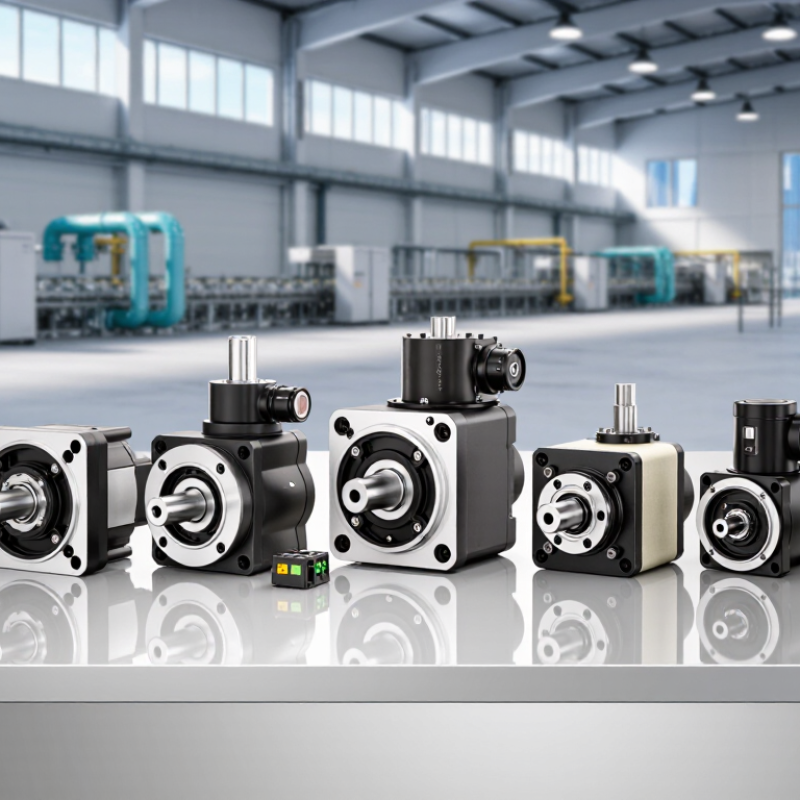
China Top 10 Remote Control Actuator Manufacturers

Understanding Remote Control Actuators and Their Main Applications

China Top 10 Remote Control Actuator Manufacturers

Understanding Remote Control Actuators and Their Main Applications

Remote control actuators convert electrical commands into controlled linear or rotary movement. In a powered recliner, for example, an actuator extends a few centimeters to adjust the footrest. In an industrial enclosure, it may position a vent or access panel. A receiver interprets the signal, while the motor and drive mechanism create movement. Stroke length, force, speed, and duty cycle all matter.

These devices are used in adjustable furniture, vehicle components, ventilation systems, and equipment covers. Selection depends on the load, available space, power supply, and operating environment. A unit exposed to dust or moisture may need suitable protection. Control range also varies with the transmitter, receiver, and surroundings. Check the rated load and travel limits against the actual application, not just a catalogue example. Small movements matter. Real installations can be less tidy than diagrams suggest, so allow room for wiring and maintenance.

How China’s Remote Control Actuator Industry Is Structured

China’s remote control actuator industry is built from several connected layers, not one uniform factory model. Component suppliers make motors, gear sets, housings, and control boards. Actuator manufacturers assemble these parts and configure stroke length, force, speed, and mounting options. Some focus on standard units for furniture or equipment; others provide custom designs for industrial systems.

Production often combines in-house machining with outsourced electronics or surface finishing. This can shorten lead times, but it also makes quality control across suppliers important. Buyers should ask for load-test records, cycle-life data, wiring diagrams, and clear operating limits. A sample unit can reveal practical details, such as connector placement or noise under load. Small details matter.

When comparing ten leading manufacturers, look beyond catalog breadth. Check whether the supplier can explain its testing process and manage design changes consistently. Larger firms may offer broader engineering support, while smaller workshops can be more flexible with low-volume orders. Neither model guarantees a better fit. Specifications may also vary between samples and production batches, so a written inspection plan is useful. The industry is capable and fast-moving, though its depth is not always obvious from a product page.

China Top 10 Remote Control Actuator Manufacturers - How China’s Remote Control Actuator Industry Is Structured

Industry-structure overview: the entries below are anonymized product and manufacturer profiles, not named companies or a verified market-share ranking. The order is illustrative and describes common segments of China’s remote-control actuator supply chain.

No. Anonymized Manufacturer Profile Main Product Focus Typical Remote-Control Setup Common Applications Typical Supply-Chain Role Key Selection Factors
1 Electric Linear Actuator Specialist Motor-driven linear actuators and lifting columns Wired switch, remote handset, or controller input; limit switches are commonly used Adjustable furniture, medical equipment, access panels, and light industrial machinery Supplies actuators or actuator-and-controller sets to equipment makers Load, stroke, speed, duty cycle, noise, mounting dimensions, and protection rating
2 Industrial Electric Rotary Actuator Maker Quarter-turn and multi-turn electric actuators Local controls or remote commands through relays, analog signals, or industrial communication interfaces Process equipment, dampers, and machinery requiring powered rotation Component supplier or package provider for industrial automation projects Output torque, operating time, control mode, feedback, enclosure, and fail-safe needs
3 Valve Actuator and Control Package Provider Electric actuators matched with valves and control accessories Remote open/close or modulating control, often with position indication and limit feedback Water treatment, building services, utilities, and general process systems Integrates actuator, mounting interface, and sometimes valve into a project-ready package Valve torque, interface dimensions, media and environment, control signal, and applicable project requirements
4 Hydraulic Remote-Actuation System Builder Hydraulic cylinders, power units, valves, and control assemblies Remote operation through hydraulic lines, electrical controls, or electro-hydraulic components Mobile machinery, heavy equipment, and applications requiring high force Builds subsystems or custom hydraulic packages for equipment manufacturers Force, pressure, stroke, response, leakage control, hose routing, and serviceability
5 Pneumatic Actuator and Control-Panel Supplier Pneumatic cylinders or rotary actuators with valves and air-preparation components Remote solenoid-valve commands, with position sensing where required Factory automation, packaging machinery, and process-valve operation Provides actuators, control panels, or assembled automation modules Air supply, force or torque, cycle rate, valve compatibility, and maintenance access
6 Marine Remote-Control Equipment Maker Remote throttle, gear-control, and related actuation components Mechanical cable systems or electronic controls, depending on vessel and engine configuration Workboats, recreational craft, and marine equipment Supplies control components or compatible system assemblies to boat and engine integrators Engine compatibility, corrosion resistance, installation layout, and marine certification needs
7 Vehicle and Mobile-Equipment Actuator Supplier Electric or electro-hydraulic actuators for vehicle-mounted functions Cabin switches, remote-control units, or vehicle control-system commands Special-purpose vehicles, construction equipment, and material-handling machinery Develops application-specific parts or subassemblies for vehicle OEMs Vibration, temperature, electrical compatibility, duty cycle, and vehicle qualification requirements
8 Furniture and Smart-Home Actuator Producer Compact linear actuators, lifting columns, and matched control boxes Handset, wireless remote, or integrated controller, depending on the finished product Height-adjustable desks, recliners, beds, and smart-home mechanisms OEM/ODM component and assembly supplier to furniture and product brands Noise, appearance, synchronization, safety features, lifecycle, and customization
9 Agricultural and Outdoor Actuation Supplier Linear or rotary actuators designed for outdoor or equipment use Remote switching or controller-based operation; sensing and feedback depend on the system Agricultural machinery, ventilation, gates, and solar-tracking equipment Supplies application-focused products or integrates actuators into equipment assemblies Weather exposure, dust and water protection, corrosion, load, and maintenance interval
10 Actuator OEM/ODM and System Integrator Customized actuator assemblies, controllers, wiring, and mounting parts Configured to customer requirements, from basic remote switching to feedback-enabled control Cross-sector projects where standard actuator products need adaptation Coordinates design, component sourcing, assembly, testing, and customer-specific documentation Engineering support, prototype process, traceability, testing scope, lead time, and change control

Note: Product capabilities and control options vary by model and application. Confirm performance data, environmental ratings, certifications, and system compatibility with the relevant supplier for each project.

Criteria for Selecting China’s Top Remote Control Actuator Manufacturers

Choosing a remote control actuator manufacturer starts with the operating conditions, not a catalogue ranking. Define required force, stroke, speed, duty cycle, and supply voltage. A unit moving a light valve indoors may fail on a vibrating outdoor gate. Ask for rated performance at the expected load, not just peak figures. Numbers need context. Confirm control inputs, position feedback, enclosure protection, and manual override options. Request dimensional drawings and mounting details before committing to a design.

Manufacturing consistency matters as much as the actuator’s headline specifications. Review inspection procedures, material records, and test reports for the actual product range. Ask how the supplier checks gear backlash, limit switches, and sealing after assembly. A sample unit can reveal loose connectors or noisy travel. That matters. Also assess engineering support: clear answers about wiring diagrams and integration issues are more useful than fast promises. Check sample availability, production lead times, spare-part access, and how design changes are communicated.

Test shortlisted units under realistic conditions. Run repeated cycles, measure travel time, and observe performance near the stated load limit. Compare results using the same voltage and mounting setup. A polished datasheet is not proof of field reliability. Supplier rankings can help build a shortlist, but they cannot replace verification. One awkward point: some buyers overvalue low purchase prices, then overlook installation effort and downtime. The best fit may not be the cheapest, and the evidence may still leave questions.

Profiles of Ten Leading Remote Control Actuator Manufacturers in China

China’s remote-control actuator sector covers compact linear drives, servo-controlled rotary units, valve actuators, and heavy-duty motion systems. A useful profile of ten leading manufacturers should compare load capacity, positioning accuracy, ingress protection, control protocols, and after-sales support—not just catalogue breadth. Some suppliers focus on factory automation; others build equipment for water treatment, agriculture, or building systems. The differences show up on the shop floor: a dusty enclosure, a slow valve cycle, or a cable run that complicates installation.

Demand is supported by wider automation growth. The International Federation of Robotics reported that China installed 276,288 industrial robots in 2023, about 51% of global installations, in its World Robotics 2024 report. This figure measures robot installations, not actuator sales, so it should be treated as market context rather than direct proof of actuator demand. Useful profiles should state test conditions and distinguish rated force from real operating performance. Fit matters. Yet public product data can be uneven, and some specifications omit duty cycle or temperature limits. Buyers may need to verify those details through sample testing and technical discussions.

Common DC Supply Voltages for Remote-Control Actuators

A reference view of nominal DC voltage options commonly encountered in actuator systems. These are voltage values, not company-specific figures or market-share data.

Comparing Product Ranges, Certifications, and Support Services

When comparing ten remote control actuator manufacturers, product range matters more than a long catalog. Check whether each supplier offers linear and rotary models, suitable force ratings, and compatible control options. A compact actuator may fit a vent panel, while a heavier unit could be needed for a large industrial damper. Fit matters. Confirm mounting dimensions, stroke length, duty cycle, and environmental limits against your actual application.

Certifications should be checked against the specific model, not assumed from a company-wide statement. Request current test reports and verify that they cover the actuator’s intended use. Support services deserve equal attention: ask about installation guidance, wiring diagrams, spare parts, warranty terms, and response times. Support counts. A clear technical answer before purchase can prevent delays during commissioning. After-sales quality is harder to judge from a catalog alone.

A comparison table can help, but it may flatten important differences. Record what is documented, what requires confirmation, and who will provide assistance after delivery. For example, ask whether a support team can help troubleshoot a controller that stops responding under load. No supplier is perfect. Transparent limits and realistic delivery estimates may be more useful than broad promises.