
7 Tips for Choosing the Best Steering Wheel Lock Bar

A Steering Wheel Lock Bar is a visible layer of vehicle security, but choosing one involves more than picking the longest or brightest model. Fit matters. So do build quality, ease of installation, storage, and whether the lock suits your steering wheel without blocking safe driving. A bar that feels awkward may end up forgotten in the trunk. That is a real limitation worth considering.

This guide explores seven practical points, including adjustable length, locking mechanism, materials, visibility, and everyday handling. Check how firmly the bar sits, whether its contact points protect the wheel, and how quickly you can install and remove it. No single device can guarantee protection, and a lock should complement sensible parking and vehicle-security habits. The small details matter.

I can’t responsibly attribute a quotation to a named industry expert without a verifiable source. Rather than inventing one, this introduction uses a practical takeaway: “The best lock is one that fits securely and gets used consistently.” Treat it as guidance, not a sourced expert quotation. As you compare options, consider your vehicle, routine, and willingness to use the device every time. A little reflection helps. The right choice is not always the most expensive one; it is the one whose fit and operation you can trust.
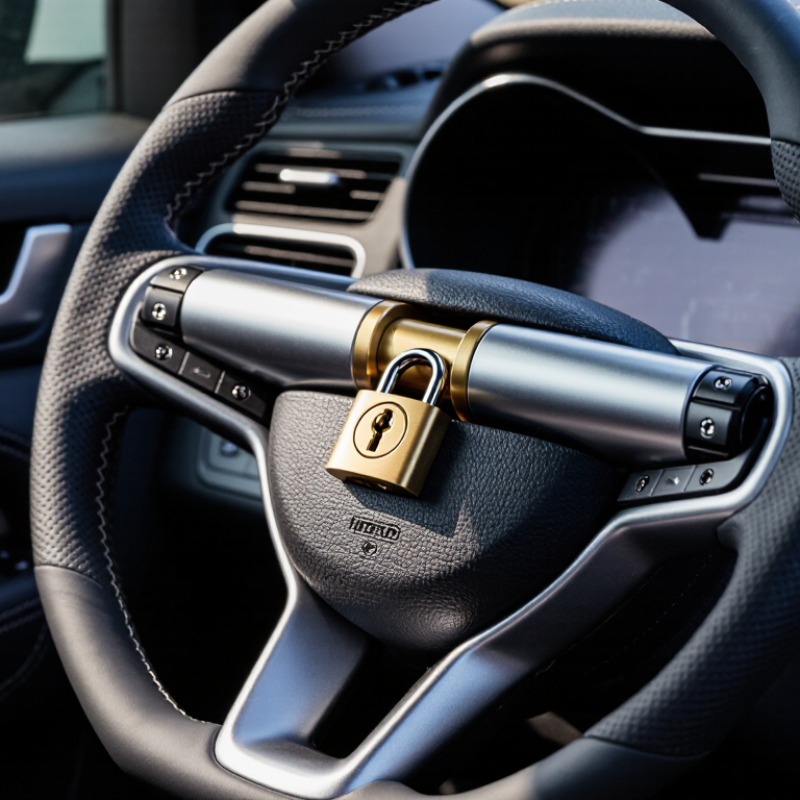
7 Tips for Choosing the Best Steering Wheel Lock Bar

Identify Your Vehicle’s Security Needs and Risk Level

Before choosing a steering wheel lock bar, consider where your vehicle spends most of its time. A car parked overnight on a dim street faces different exposure from one kept in a locked garage. Think about your usual parking spots, how long the vehicle stays unattended, and whether you leave tools or bags in view. Risk is personal. A quiet driveway is not automatically low-risk, and a busy area is not always unsafe. Local theft reports can help, but they cannot predict every incident.

Match the lock to your routine and vehicle. Check that its stated fit works with your steering wheel, and consider whether you will use it consistently. A bulky device that stays in the trunk offers little practical protection. Choose a visible bar that is straightforward to attach and remove, without blocking your view or interfering with controls while driving. A lock can add a physical obstacle and signal extra effort to a would-be thief; it cannot guarantee a vehicle will remain untouched. It is easy to focus on the lock itself and overlook habits, like leaving the car unlocked during a quick stop. That part takes discipline. No checklist predicts every incident.

Check Lock Bar Compatibility with Your Steering Wheel

Before choosing a steering wheel lock bar, check that its adjustable length fits your wheel. Measure across the rim and note its thickness, then compare those measurements with the product’s stated range. A bar that is too short may not engage securely; one that is too long can shift or press awkwardly against the dashboard. Small details matter. Check the wheel’s shape, too. A thick padded rim, unusual spoke layout, or attached control can interfere with the bar’s contact points.

Consider where the lock will sit when installed. It should grip the wheel without blocking the driver’s view or pressing against delicate trim. Look for clear fitting instructions and stated compatibility details rather than relying on a generic “fits most” claim. If possible, test the bar gently before regular use. It should feel stable, not forced. Even careful measurements can miss a small clearance issue, especially on wheels with deep spokes. That is worth reconsidering before purchase. A steering wheel lock is a visible deterrent, not a guarantee of protection, so choose a fit that is secure and practical to use each time.

7 Tips for Choosing the Best Steering Wheel Lock Bar – Check Lock Bar Compatibility with Your Steering Wheel

Tip What to Check How to Check Compatibility Practical Guidance
1 Steering wheel diameter Measure across the outside of the wheel, from one outer rim edge to the opposite edge. Compare this measurement with the lock’s stated size range. Do not assume a lock is universal. A lock that is too short may not attach securely; one that is too long may not fit as intended.
2 Rim thickness and shape Check the thickness and cross-section of the rim where the lock’s hooks or clamps will sit. Compare these with the product’s fit guidance. Thick, padded, unusually shaped, or non-round rims can affect how a lock sits. The lock should engage without being forced or left loose.
3 Spokes and attachment points Look at the number and position of the spokes, and identify clear sections of the rim where the lock can attach. Check the lock instructions for required clearance. Make sure the bar and its hooks do not press against or catch on spokes, trim, or other steering-wheel parts.
4 Airbag cover and deployment area Check where the steering-wheel airbag cover and any marked deployment seams are located. Review the lock’s instructions and the vehicle owner’s manual. Choose a position that does not cover, press on, or obstruct the airbag cover. Never attach a lock across an airbag deployment area.
5 Steering-wheel controls and trim Check for audio, phone, cruise-control, or other buttons, as well as paddle shifters and decorative trim near the proposed attachment points. The lock should not press buttons, damage trim, or interfere with paddles. Test the fit while the vehicle is parked and switched off.
6 Adjustment range and locking position Compare the lock’s minimum and maximum adjustment with the measured wheel dimensions. Check whether it can be secured without unusual pressure or awkward positioning. When fitted, the lock should be stable and should not obstruct safe entry or exit. Follow the manufacturer’s fitting instructions.
7 Materials, finish, and realistic expectations Review the product’s stated materials, protective contact points, key or locking mechanism, care instructions, and vehicle-fit information. A steering-wheel lock is a visible deterrent, not a guarantee against theft. Avoid products that could scratch the wheel, and use the lock alongside other sensible security measures.

Evaluate Materials, Locking Mechanisms, and Resistance

Tip 1: Inspect the bar’s materials, not just its weight. A sturdy steel core can resist bending better than a lightweight hollow tube. A weather-resistant coating helps limit rust, especially if the lock stays in a damp car. Check the joints and end fittings too; weak connections can undermine a solid-looking bar. Small details matter.

Tip 2: Test the locking mechanism before buying. The key should turn smoothly, and the lock should engage without forcing the bar into place. A covered keyway can help keep out dust, though covers may wear over time. If a product includes spare keys, check how they are stored and whether the lock feels consistent each time you use it.

Tip 3: Compare how the bar resists twisting, cutting, and prying. No steering wheel lock can guarantee that a vehicle will never be stolen, so treat resistance as one layer of protection. Look for clear material and construction details rather than vague claims. Also check that the bar fits your steering wheel securely, with little room to shift. A poor fit is easy to overlook, and I’d rather admit that fit can be fiddly than assume one size works for every car.

Compare Ease of Use, Visibility, and Storage

A steering wheel lock bar should be simple to fit, even in a cramped parking space. Check how its ends adjust and whether the locking action feels smooth. Try the fitting steps at home. If you need both hands and several attempts, it may become inconvenient during a rainy evening or a rushed stop. A snug fit matters, but forcing the bar can damage the steering wheel’s finish.

Visibility is useful, though it is not a guarantee of protection. A bright bar placed across the wheel is easier to notice through the window than a dark one hidden below the dashboard. Check whether the bar remains visible when the seat is pushed back or the wheel is tilted. A quick glance from outside can reveal blocked sightlines. Small detail, real difference.

Storage deserves a practical test too. Measure the bar when folded, then compare it with the space beneath a seat or in a door pocket. Some models fit neatly in a trunk but rattle against other items; padding can help, if there is room. Avoid keeping it loose near the pedals, where it could interfere with driving. I would also check for smooth edges and protective contact points. That step is easy to forget.

Balance Price, Warranty, and Long-Term Reliability

A steering wheel lock bar should fit your budget without feeling disposable. Compare the full cost, not just the shelf price. A cheaper model may have thin padding that splits, or a lock cylinder that feels gritty after a few months. Check the bar’s adjustment range and the quality of its joints. They take repeated handling. Small details matter.

Read the warranty before buying. Look for clear coverage of defects, the claim period, and any exclusions for normal wear. A long warranty sounds reassuring, but vague terms can make it hard to use. Keep the receipt and warranty information somewhere easy to find. It takes a minute. Also check whether replacement keys or parts are available; those costs can change the real value of a low-priced lock.

Long-term reliability shows up in ordinary routines. Try the lock several times in a parked car, and notice whether it attaches smoothly without scraping the wheel. Store it where it will not rattle against hard objects or collect moisture. A little inconvenience may be worth paying for if the bar stays easy to use. Still, price alone cannot predict durability, and product claims are not a substitute for clear construction details.