Why Choose CNC Precision Engineering for Your Manufacturing Needs?
In the realm of modern manufacturing, CNC precision engineering stands out as a game-changer. This advanced technology ensures high accuracy and efficiency in creating complex components. Industries ranging from aerospace to medical rely on CNC precision engineering to meet their exact specifications. Every project benefits from the meticulous nature of CNC processes, reducing waste and optimizing production time.
The expertise involved in CNC precision engineering brings a level of professionalism to manufacturing. Skilled technicians operate advanced machinery, ensuring that each piece meets strict quality standards. However, even with such precision, occasional errors can arise, prompting a need for ongoing improvements. Companies must remain adaptable, learning from mistakes to enhance their processes continually.
With an increasing demand for customized solutions, CNC precision engineering is more relevant than ever. It allows for scalable production, accommodating both small and large orders. Yet, organizations must reflect on their strategies and not become complacent. Exploring new techniques and embracing innovations will help maintain a competitive edge in this dynamic field.
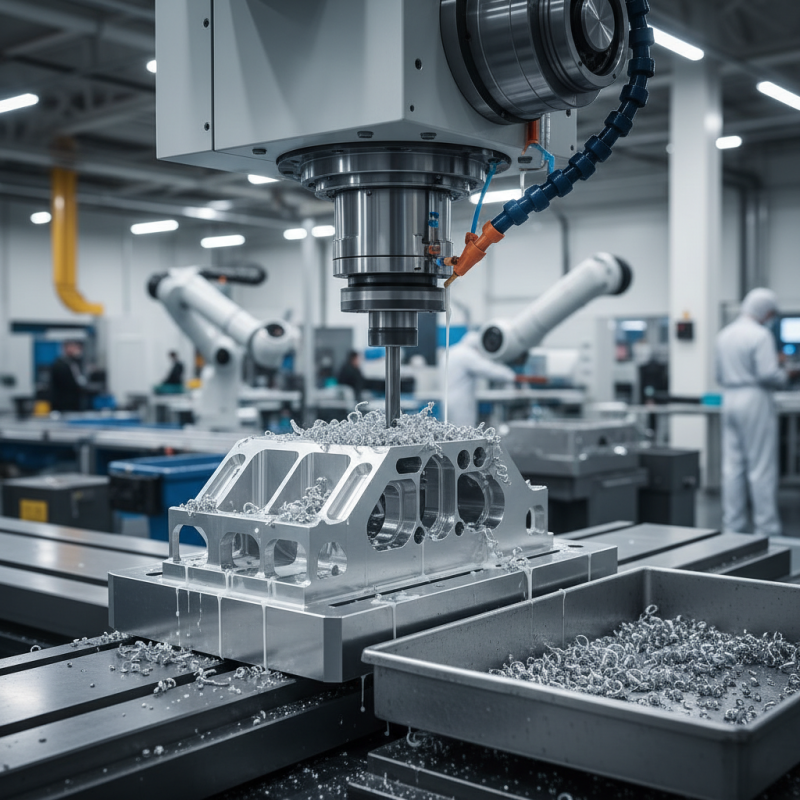
Understanding CNC Precision Engineering Technology
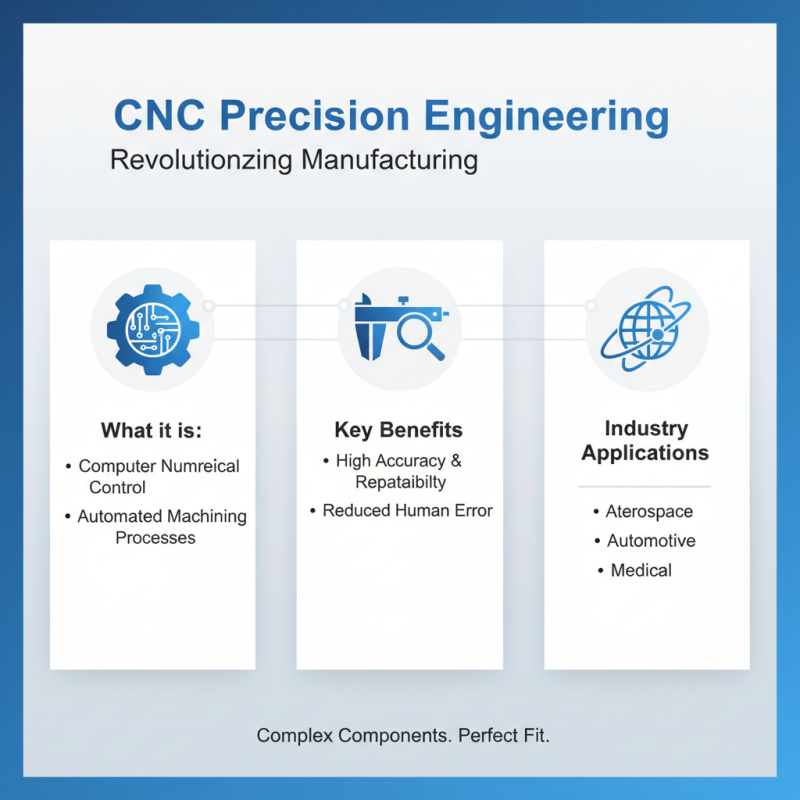
CNC precision engineering technology is revolutionizing the manufacturing sector. This advanced method uses computer numerical control to automate machining processes. It ensures high accuracy and repeatability, crucial for producing complex components. Many industries benefit from this technology, including aerospace, automotive, and medical fields. By relying on CNC machines, manufacturers can produce parts that fit together perfectly, reducing the risk of human error.
However, not all CNC machining is created equal. Some manufacturers struggle to maintain quality and consistency over time. Variations in programming and machine settings can lead to discrepancies in the final product. It's vital to choose a provider with a solid track record and expertise in CNC technology.
Understanding CNC precision engineering is also about knowing its limitations. Avoiding over-reliance on automation can lead to missed opportunities for human insight. Balancing technology with skilled operators can yield the best results. Quality checks and adjustments are essential throughout production. Only then can the full potential of CNC precision engineering be realized in manufacturing.
Key Advantages of CNC Precision Engineering in Manufacturing
CNC precision engineering offers significant advantages for modern manufacturing. Firstly, it ensures high accuracy in every aspect of the production process. Machines operate with remarkable precision, resulting in products that meet strict specifications. This accuracy minimizes waste and reduces the need for costly rework.
Another key benefit is the ability to produce complex designs with ease. CNC machines can create intricate parts that might be impossible with traditional methods. This capability opens doors for innovation. However, it also requires skilled operators who understand both the machines and the design processes.
Tips: Always verify the machine’s calibration before starting production. Regularly maintain the CNC equipment to sustain performance. Evaluate design files for possible errors to avoid surprises during machining. Embracing these practices can lead to better outcomes.
While CNC technology relies heavily on automation, human expertise remains vital. Operators must constantly adapt to new technologies and techniques. This balance between machine and human input is essential for success in precision engineering.
Benefits of CNC Precision Engineering in Manufacturing
This bar chart illustrates the key advantages of CNC precision engineering in manufacturing. The benefits highlighted include cost efficiency, high precision, speed of production, flexibility in design, and a variety of materials that can be used, showcasing why CNC technology is an essential choice for modern manufacturing needs.
Applications of CNC Precision Engineering Across Industries
CNC precision engineering plays a pivotal role across various industries. The technology allows for highly accurate manufacturing of complex components. According to a recent report by Market Research Future, the CNC machine market is expected to reach $100 billion by 2025. This growth reflects the increasing adoption of CNC methods in sectors such as aerospace, automotive, and healthcare.
In aerospace, precision is paramount. Components must withstand extreme conditions. CNC machining ensures these parts meet stringent tolerances. For instance, even a small deviation in a turbine blade can lead to catastrophic failures. Automotive manufacturing benefits similarly. The industry requires consistent quality for safety and performance. The global automotive CNC machining market is projected to grow by over 7% annually.
Healthcare is yet another industry embracing CNC technology. Medical devices demand high precision. In many cases, tailored solutions are crucial for patient care. A customized surgical instrument can improve surgical outcomes drastically. However, challenges remain. The initial investment in CNC equipment is substantial. Smaller manufacturers may struggle with high costs. Additionally, skilled operators are essential to maximize the benefits of CNC technology. This aspect of manufacturing may not always meet the demand for highly trained personnel.
Comparing CNC Precision Engineering with Traditional Manufacturing Methods
CNC precision engineering offers several advantages over traditional manufacturing methods. One notable benefit is the level of accuracy achieved. CNC machines can consistently produce parts with tight tolerances, which is often hard to achieve with manual processes. This leads to less waste and fewer defects, ultimately improving overall efficiency and quality.
Traditional manufacturing methods rely heavily on human skills, which can vary in quality. There is a risk of human error, especially in complex tasks. CNC machines operate based on programmed designs, minimizing the possibility of mistakes. However, this does not eliminate the need for skilled operators. Training is essential for setting up and maintaining CNC systems, which can be a learning curve for some.
Another aspect to consider is the speed of production. CNC machining can outperform manual techniques in creating parts quickly. Yet, setup times can be longer initially when programming CNC machines. This might be a drawback for small production runs. Balancing speed and precision is key. In summary, while CNC precision engineering excels in many areas, it requires careful consideration of specific project needs.
Future Trends in CNC Precision Engineering: What to Expect
CNC precision engineering is rapidly evolving. As industries strive for higher efficiency, several trends are shaping its future. A recent report from the International Federation of Robotics highlights that the global robotics market is expected to grow by 20% annually through 2025. This growth indicates a shift towards automation and the integration of CNC machines with advanced technologies.
One significant trend is the integration of artificial intelligence (AI) in CNC machining processes. AI can enhance operational efficiency by predicting machine failures and optimizing production schedules. Additionally, the rise of Industry 4.0 emphasizes interconnected systems, enabling real-time monitoring and adjustments. However, organizations must remain cautious. Implementing these technologies requires substantial investment and skilled personnel.
Tip: Start small by incorporating automation in select processes. This approach allows for gradual adaptation and minimizes disruptions.
Sustainability is another key focus. As manufacturers face increasing pressure to reduce environmental impact, CNC precision engineering is innovating towards eco-friendly practices. Reports show that up to 70% of energy consumption in manufacturing comes from machinery. Thus, optimizing CNC machines for energy efficiency can lead to significant cost savings. Yet, businesses must reflect on the balance between cost and sustainability to ensure long-term viability.
Tip: Conduct an energy audit to identify areas for improvement in your CNC operations.