Why Choose Flexible PCBs for Your Electronics Applications?
In the rapidly evolving world of electronics, Flexible Pcbs have emerged as a pivotal innovation. Dr. Emily Chen, an expert in flexible circuit technology, once stated, "Flexible PCBs offer unique advantages that traditional boards simply cannot match." This sentiment underscores the transformative role of these circuits in modern applications.
Flexible PCBs stand out due to their lightweight and conformable nature. They can fit into tight spaces where rigid boards would fail. This opens new possibilities for compact electronic devices. However, they also come with challenges. Manufacturing processes can be complex, and ensuring reliability remains critical.
Adopting Flexible PCBs requires careful consideration. While they provide versatility, some may find the initial cost daunting. Yet, the long-term benefits, such as reduced assembly time and improved performance, often outweigh these concerns. Embracing this technology can lead to groundbreaking advancements in various fields, from medical devices to consumer electronics.
Importance of Flexibility in Electronics Design
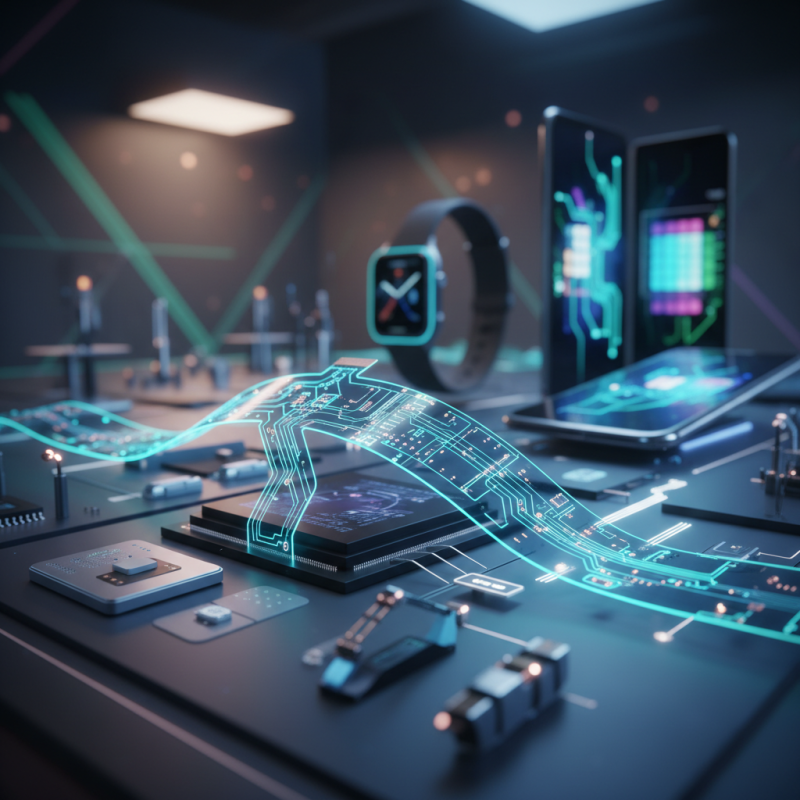
Flexibility is a crucial aspect of modern electronics design. It allows for innovative solutions in compact spaces. Flexible PCBs (Printed Circuit Boards) adapt to various shapes and sizes, fitting seamlessly into complex devices. This feature aids in reducing the overall weight and thickness of electronic products.
Incorporating flexible PCBs can lead to design challenges. Engineers must carefully consider how the materials will perform under stress. These boards can bend and twist, which may lead to unexpected failures. It's essential to test prototypes thoroughly before finalizing designs. Pay attention to stress points where the board might experience fatigue over time.
Tip: When working with flexible PCBs, simulate bending in your design process. This will help anticipate potential issues.
Also, take a closer look at your power requirements. Some flexible designs may struggle with high current loads. Adjust component placement to balance performance with flexibility. This may require some trial and error.
Tip: Always consult with material experts for the best options available. They can provide valuable insights to enhance your designs.
Advantages of Flexible PCBs Over Traditional PCBs
Flexible printed circuit boards (PCBs) offer significant advantages over traditional rigid PCBs. They can easily conform to various shapes and sizes, making them ideal for compact electronics. This flexibility allows for innovative designs, particularly in wearable devices and mobile technology. Additionally, flexible PCBs tend to be lighter, contributing to overall weight reduction in electronic gadgets.
Another compelling benefit is their durability. Flexible PCBs are resistant to vibrations and mechanical stress, which can be a common issue for traditional boards. They can endure bending and twisting without damage. However, it's important to note that not all flexible designs are equally robust. While many are resilient, some may have limitations that require careful engineering.
The manufacturing process for flexible PCBs can be more complex, leading to higher costs. Yet, this complexity often results in improved performance and efficiency. Engineers sometimes struggle with the trade-off between price and quality. Still, many find that the benefits—like space-saving features and enhanced reliability—outweigh the potential drawbacks. In many cases, the investment in flexible PCBs leads to better long-term results for electronics applications.
Applications of Flexible PCBs in Various Industries
Flexible printed circuit boards (PCBs) are becoming essential in various industries. They are lightweight and adaptable, fitting easily into compact spaces. In consumer electronics, these PCBs enable sleek designs for smartphones and wearable devices. Their flexibility allows for curved surfaces, enhancing aesthetics and functionality.
In the medical field, flexible PCBs are critical. They power medical devices, like portable monitors and diagnostic tools. Their reliability is a must, often during high-pressure situations. The compact design facilitates integration into sensitive instruments. However, manufacturing such specialized PCBs can be challenging. Minor defects could lead to significant failures, which requires a thorough quality control process.
The automotive industry also benefits from flexible PCBs. They support advanced driver-assistance systems and in-vehicle networks. As vehicles become smarter, the need for innovative wiring solutions is evident. Nonetheless, the intricate design and the harsh operating conditions raise concerns. Engineers must balance flexibility with durability, creating an ongoing challenge in this evolving sector.
Why Choose Flexible PCBs for Your Electronics Applications? - Applications of Flexible PCBs in Various Industries
| Industry | Application | Advantages of Flexible PCBs |
| Consumer Electronics | Smartphones, Tablets | Lightweight, space-saving design |
| Automotive | Control Panels, Sensors | Resistant to vibrations and extreme conditions |
| Medical Devices | Wearable Health Monitors | Flexible and lightweight for comfort |
| Aerospace | Navigation Systems, Communication Devices | Durability under harsh environments |
| Telecommunications | Signal Processing Equipment | Efficient space utilization |
Manufacturing Process of Flexible PCBs
The manufacturing process of flexible printed circuits (PCBs) is intricate and requires precision. Generally, it begins with selecting the base material, often polyimide or polyester, known for its excellent thermal stability and flexibility. This choice is crucial as it affects the performance and durability of the final product. According to industry reports, the global flexible PCB market was valued at approximately $16 billion in 2022 and is expected to grow, highlighting the increasing demand for advanced manufacturing techniques.
After material selection, the design phase incorporates multi-layering and intricate routing. Advanced equipment is vital at this stage. Many manufacturers utilize laser drilling and etching technologies to achieve high-density interconnections. This can result in a reduction of the PCB footprint by up to 50%, making them suitable for compact electronics. Despite these advancements, some manufacturers face challenges with material defects and alignment issues, which can jeopardize the overall quality.
Final assembly involves testing for electrical reliability, often requiring extensive quality control measures. Research indicates that up to 20% of flexible PCBs may encounter failures during testing phases. Addressing these imperfections is essential for manufacturers. Continuous improvement in processes and technology is necessary to reduce failure rates and enhance overall performance. The path to perfection is not always linear, and ongoing innovation is key in this rapidly evolving field.
Why Choose Flexible PCBs for Your Electronics Applications?
Future Trends and Innovations in Flexible PCB Technology
Flexible PCBs are a rising star in electronics applications. Their adaptability offers unique solutions for modern devices. With technology trends shifting towards smaller, more portable gadgets, flexible PCBs enable a new wave of innovation. Designers now utilize these circuits to create lightweight devices, enhancing user experience significantly.
Recent innovations in flexible PCB technology focus on improved materials. Thinner substrates and better conductivity lead to increased efficiency. Manufacturers are exploring eco-friendly options, aiming for sustainability. Flexible PCBs also show promise in the medical field, where space and precision are critical. Yet, challenges remain, such as durability and manufacturing costs. The industry must address these issues as demand grows.
As the market evolves, the potential of flexible PCBs is vast. Emerging applications in wearable tech highlight their capabilities. These innovative circuits could redefine user interactions with devices. However, the road ahead may require patience and ongoing refinement. The balance between flexibility and reliability needs further exploration to truly harness their advantages.