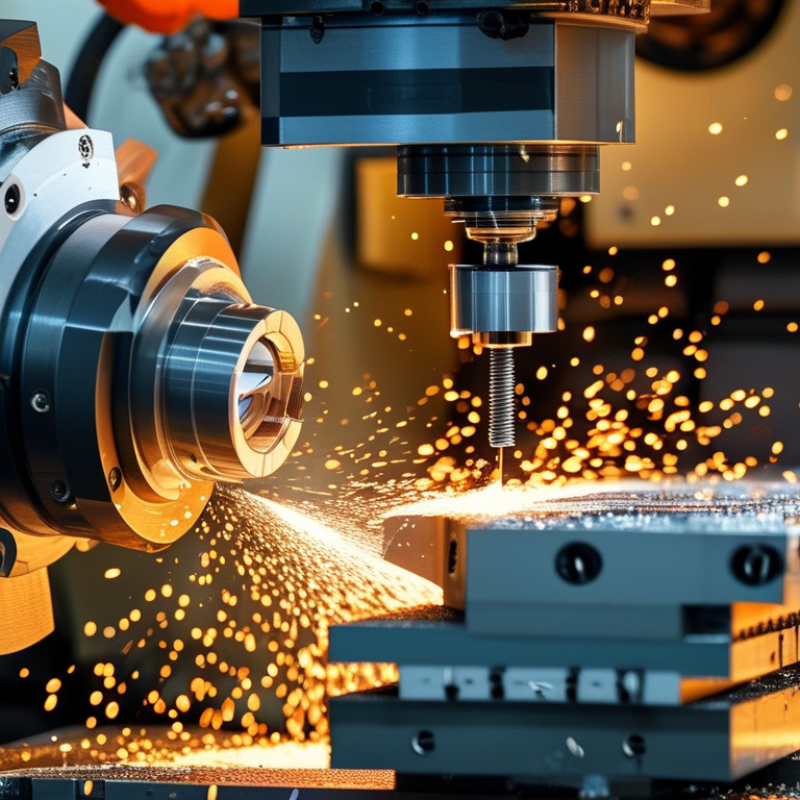
Why Choose High Quality Machining Parts for Global Buyers?
When considering sourcing Machining Parts, quality becomes paramount. High-quality parts ensure longevity and reliability. This is crucial for industries relying on precision engineering, such as aerospace and automotive.
Global buyers seek machining suppliers who exhibit experience and authority in their field. Their expertise can often lead to better product outcomes. It’s not just about machines and materials; it's about partnership and trust. Selecting the right supplier takes careful evaluation.
However, the task can seem daunting. Not all suppliers offer the same level of quality. Some may compromise to cut costs. Finding a supplier that balances quality with affordability requires thorough research and reflection. Buyers must define their needs clearly, ensuring the right fit.
Importance of Precision Engineering in High Quality Machining Parts
Precision engineering plays a crucial role in the production of high-quality machining parts. A recent report indicates that precision components can reduce production errors by up to 30%. This significant reduction enhances overall efficiency and reduces costs. Engineers must leverage advanced techniques to maintain this level of precision.
The demand for high-quality machining parts is growing globally. Data shows that the global precision engineering market is expected to reach $22 billion by 2025. In this competitive landscape, manufacturers must ensure they use top-notch materials and maintain rigorous quality control. Minor deviations can lead to failure in critical applications, underscoring the need for exact specifications.
However, achieving this level of precision can be challenging. Many companies face difficulties in sourcing reliable suppliers. Quality assurance processes can sometimes be inadequate. This can result in inconsistencies in the final products. It's essential to address these weaknesses to ensure that high-quality standards are met consistently. Investing in skilled labor and advanced machinery can help mitigate these risks.
Benefits of Using High Quality Materials in Manufacturing Process
High-quality materials are essential in the manufacturing process. They directly influence product durability and performance. When global buyers choose high-quality machining parts, they invest in reliability. These materials withstand wear and tear better than low-quality alternatives. As a result, they often lead to fewer replacements and repairs.
Tips: Always evaluate the source of your materials. This ensures you get the best quality. Consider the long-term costs associated with poor-quality parts. In many cases, lower prices indicate lower craftsmanship.
Moreover, using top-tier materials can enhance the overall efficiency of machinery. High-quality parts can improve precision in operations. Manufacturers often see fewer defects and higher output rates. This can ultimately lead to increased customer satisfaction. However, finding the right balance between cost and quality can be challenging. Some buyers may hesitate to spend more upfront, without seeing the bigger picture.
Tips: Assess the total cost of ownership, not just the initial price. Consider how high-quality parts can improve your manufacturing workflow. Investing in quality often pays off in the long run.
Impact of Quality Machining Parts on Product Durability and Performance
Choosing high-quality machining parts is crucial for global buyers. Quality directly impacts product durability and performance. A study from the National Institute of Standards and Technology reveals that high-quality components can enhance product lifespan by up to 30%. This is significant when considering the long-term costs of replacements and repairs.
Investing in superior machining parts not only improves reliability but also boosts operational efficiency. Components manufactured with precision reduce friction and wear, optimizing functionality. A report by the American Society of Mechanical Engineers highlights that using high-quality materials can improve performance metrics by 15%. This translates to measurable gains in productivity.
Tip: Always evaluate supplier certifications. Quality assurance processes can indicate a commitment to excellence. Research shows that companies with robust quality management systems experience 25% fewer defects.
Choosing quality also invites reflection. While premium parts often involve higher initial costs, the return on investment can be substantial. An argument could be made for balancing budget with quality, as cheaper options may lead to higher long-term expenses. Focusing solely on upfront costs may overlook the bigger picture.
Cost-effectiveness of Investing in Superior Machining Solutions
Investing in high-quality machining parts is crucial for global buyers aiming for cost-effectiveness. According to a recent industry report from the Manufacturing Institute, quality concerns lead to an estimated 20% increase in production costs. This highlights the significant impact of machining part quality on overall operations. Premium parts often last longer and reduce downtime, leading to better financial performance.
Cost-effective machining solutions often translate to improved return on investment. A study by the National Association of Manufacturers reveals that high-quality parts can reduce maintenance costs by up to 30%. This not only saves money but also enhances productivity. Choosing reliable components minimizes the risk of failures, fostering a smoother production process and ensuring timely deliveries.
However, the journey to finding the right parts is not without challenges. Buyers may face difficulties in sourcing consistent quality. Variability in machining processes can lead to unexpected expenses. It is essential for manufacturers to evaluate their suppliers thoroughly. Relying solely on price can result in hidden costs down the line. Balancing quality and cost is vital for long-term success.
Global Market Trends Influencing Demand for High Quality Machining Parts
The global market for high-quality machining parts is experiencing significant growth. Various industries are pushing for precision and durability in their components. Aerospace, automotive, and medical sectors demand high standards for performance and reliability. This trend is largely driven by technological advancements and increasing consumer expectations. Manufacturers are adapting to these changes to stay competitive.
Quality machining parts ensure optimal performance, reduce downtime, and enhance end-product longevity. Buyers are increasingly prioritizing suppliers who can deliver consistent quality and superior materials. However, achieving this level of quality is not straightforward. Some companies still struggle with inconsistent production processes, leading to variability in product performance. This highlights the need for continuous improvement in production techniques.
Moreover, as sustainability becomes vital, buyers are seeking eco-friendly practices in manufacturing. Many are focused on suppliers who use sustainable materials and processes. Yet, suppliers may face challenges in sourcing such materials while maintaining cost-effectiveness. This creates a complex landscape where buyers must weigh quality, sustainability, and price in their decision-making process. Ultimately, understanding these trends can help buyers make informed choices.
Global Market Trends Influencing Demand for High Quality Machining Parts
This chart illustrates the demand for high quality machining parts across various global regions. As seen, the Asia Pacific region shows the highest demand, reflecting the growth trends influenced by industrial advancements and technological innovations.