How to Master Mechanical and Electrical Engineering Skills?
Mechanical and electrical engineering are pivotal fields in today’s technology-driven world. According to the Bureau of Labor Statistics, employment for mechanical engineers is expected to grow by 4% from 2020 to 2030. Similarly, electrical engineers face similar growth opportunities, with innovations driving demand. The fusion of these two domains is essential for advancements in automation and sustainable technologies.
Mastering mechanical and electrical engineering skills requires deliberate practice and continuous learning. Many professionals find themselves struggling with rapid technological changes. Projects may fail due to a lack of updated knowledge or inadequate hands-on experience. Engineers often need guidance and resources to bridge this gap.
Furthermore, collaboration among peers is vital. Exchange of ideas and techniques fosters innovation. However, many specialists tend to work in silos, missing out on valuable insights. It is critical to seek mentorship and engage in community projects, enhancing both skills and networks. Embracing a holistic approach in mechanical and electrical engineering can pave the way for greater success and breakthroughs in the industry.

Understanding the Fundamentals of Mechanical and Electrical Engineering
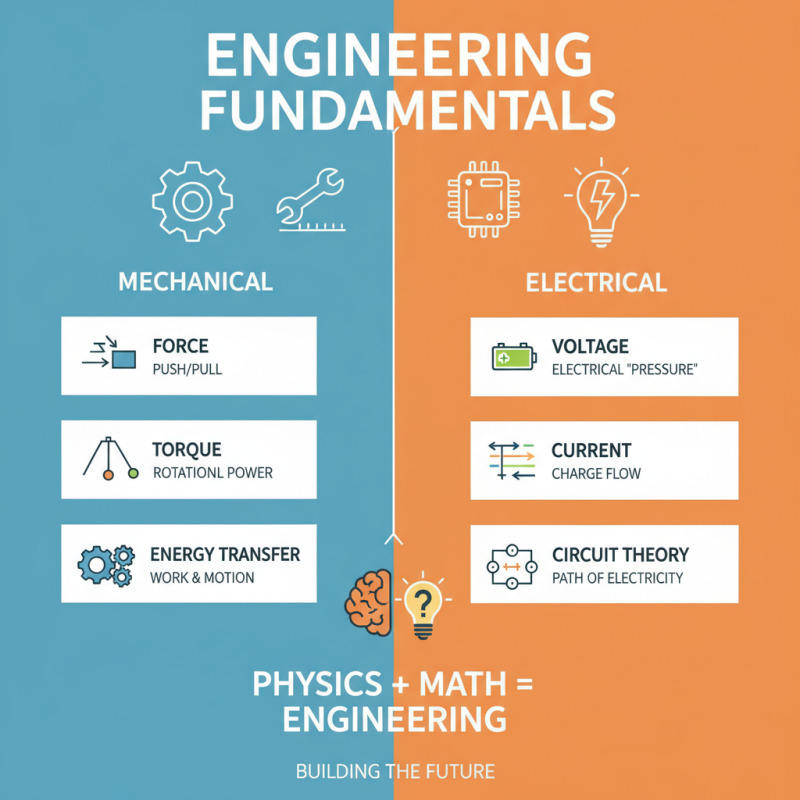
Mechanical and electrical engineering is a vast field. Understanding its fundamentals is crucial. It requires a solid grasp of physics, math, and engineering principles. Basic concepts like force, torque, and voltage need to be clear. Many students struggle with these ideas. They can seem abstract at first. Yet, they are essential for practical application.
Hands-on experience matters. Building small projects can help solidify understanding. For instance, creating simple circuits or mechanical models provides insight. Makerspaces or workshops serve as great venues for experimentation. However, mistakes often happen. Not every project will succeed. Embracing these failures fosters growth and learning.
Theory without practice can create gaps in knowledge. Students might excel in exams but falter in real-world applications. Reflecting on challenges faced during projects nurtures critical thinking. Continuous learning is vital in this ever-evolving field. Engaging with peers and mentors enriches the learning experience. Remember, mastery comes over time with patience and persistence.
Essential Skills for Mechanical Engineering Mastery
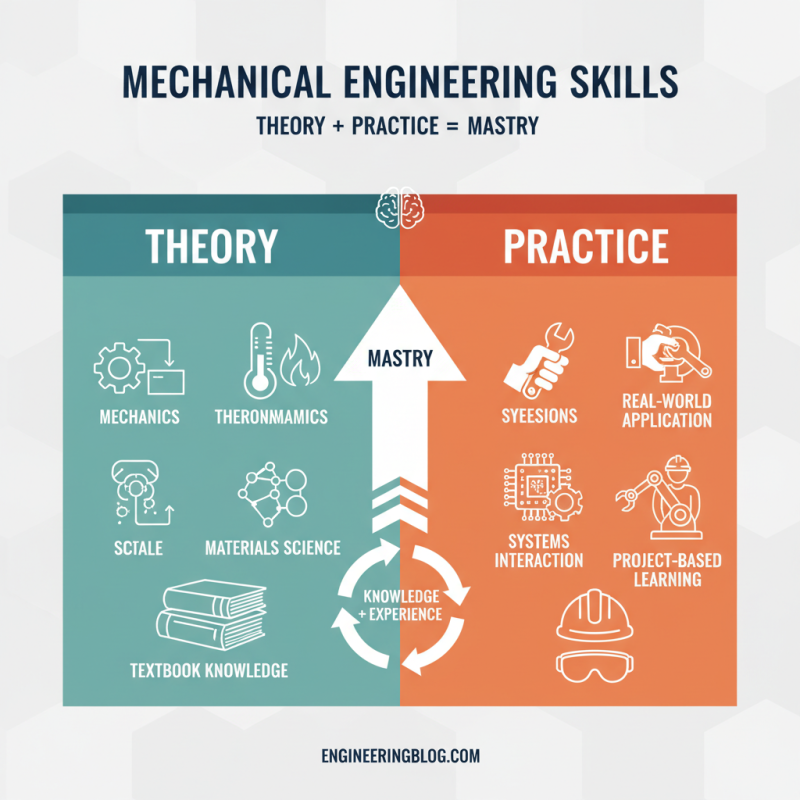
Mastering mechanical engineering skills requires a blend of theoretical knowledge and practical experience. Understanding the basic principles of mechanics, thermodynamics, and materials science is crucial. It is important to grasp how different systems interact and function together. Reading textbooks is valuable, but real-world application is where true mastery lies.
Hands-on experience is essential. Working on projects, whether through internships or personal endeavors, helps solidify concepts. Building prototypes and conducting experiments provides insight into challenges engineers face. These experiences often reveal shortcomings in understanding. Failure is not always bad; it encourages reflection and growth. Embracing mistakes can lead to deeper learning.
Additionally, effective communication and teamwork skills cannot be overlooked. Collaborating with others often leads to innovative solutions. Engineers must convey ideas clearly. This can be tough, especially when trying to express complex concepts. Continuous learning is vital—attending workshops and seminars can expose engineers to new technologies and methodologies. Keeping an open mind will foster adaptability, as the field constantly evolves.
Core Competencies in Electrical Engineering
Mastering electrical engineering requires a range of core competencies. Key areas include circuit design, power systems, and control theory. Understanding these concepts will enhance your skills significantly.
Develop your analytical abilities. Being able to analyze data effectively is vital. Try solving real-world problems or tackling projects. The process can be frustrating at times, but each challenge helps you grow. Remember, mistakes are part of learning.
Tips: Always practice with simulation software. This will help you visualize circuits and systems. Additionally, engage in collaborative projects. Working with peers can expose you to new ideas. Sometimes, you may find your approach isn’t the best. That’s okay—learn from feedback.
Moreover, don’t neglect your soft skills. Communication is critical in engineering. You'll need to explain complex ideas simply. This can be tough, especially in tense situations. Keep practicing; improvement takes time. Embrace the journey, and enjoy the challenges along the way.
How to Master Mechanical and Electrical Engineering Skills? - Core Competencies in Electrical Engineering
| Skill |
Description |
Importance Level |
Recommended Resources |
| Circuit Analysis |
Understanding and analyzing electrical circuits to design and troubleshoot. |
High |
Online courses, textbooks on circuit theory. |
| Control Systems |
Designing and managing systems that maintain desired outputs. |
Medium |
MOOCs, simulations, engineering software. |
| Programming Skills |
Coding for automation and embedded systems in engineering applications. |
High |
Coding bootcamps, online programming tutorials. |
| Project Management |
Managing engineering projects effectively using various methodologies. |
Medium |
Project management courses, certification programs. |
| Electrical Safety |
Understanding safety protocols and standards for electrical installations. |
High |
Safety training workshops, industry guidelines. |
Practical Applications: Bridging Theory to Industry Practice
Practical applications in mechanical and electrical engineering are crucial for bridging theory and industry. Students often learn theoretical concepts in classrooms, but applying these principles in real-world contexts is a different challenge. Internships and hands-on projects can illuminate this path. They allow students to see the direct impact of their skills on actual products and systems. However, not every project goes as planned. Mistakes can teach valuable lessons.
Incorporating simulation tools is another way to connect classroom learning with industry needs. These tools provide a platform for visualizing complex engineering problems. They can help identify potential flaws before physical prototypes are built. Yet, relying too heavily on simulations may lead to gaps in practical experience. Engineers must balance theory with hands-on work to fully understand their craft. Participating in engineering competitions can also enhance critical thinking and problem-solving skills. These activities push students to innovate, fail, and learn under pressure. Such experiences often lead to unexpected insights.
Engagement with industry professionals can also be instrumental. Networking allows aspiring engineers to gain insights into current practices and standards. Yet, it can be intimidating and may lead to unmet expectations. Building these connections takes time and perseverance. Overall, blending theory with practical experiences can significantly enhance your engineering skills.
Continuous Learning and Professional Development in Engineering Skills
Continuous learning is crucial in mechanical and electrical engineering. The rapid evolution of technology demands that engineers stay updated. A report from the National Academy of Engineering indicates that 50% of engineers feel unprepared for emerging technologies. This gap highlights the need for ongoing education.
Professional development involves various approaches. Online courses, webinars, and workshops can enhance skills. According to a survey by the Engineering Workforce Commission, 70% of engineers who participate in continuous education report higher job satisfaction. Yet, many still hesitate to pursue further training.
Reflection is vital in this journey. Engineers must assess their skills regularly. Identifying weaknesses and seeking resources can be challenging. Often, professionals focus on their immediate tasks, neglecting personal growth. Creating a balanced learning plan is essential for effective skill mastery.
Skills in Mechanical and Electrical Engineering