Who Are the Top Metering Equipment Manufacturers in China?
Metering Equipment sits at the center of accurate billing, process control, and resource management. In China, manufacturers serve industries ranging from water utilities and chemical plants to food production and energy. Their products may include flow meters, dosing systems, energy meters, and complete measurement packages. The right choice depends on the application, not a company name alone.
This guide examines how to identify leading Chinese manufacturers and compare their capabilities. Useful checks include product range, stated accuracy, calibration procedures, material options, communication protocols, and after-sales support. Ask for test records, certification details, and clear installation requirements. A polished brochure is not enough. A meter installed in a vibrating pipe or exposed to changing temperatures may perform differently than it did in a laboratory. Small details matter.
The companies discussed should be assessed against the same practical criteria, rather than treated as a universal ranking. A supplier with strong export experience may suit one project, while a domestic specialist may offer better customization or service access. Neither advantage guarantees a good fit. Buyers should verify specifications directly and, where possible, review a sample unit or reference installation. This overview provides a starting point, not a substitute for technical due diligence. Manufacturer information can change, and product claims deserve careful checking.
What Metering Equipment Covers and Why It Matters
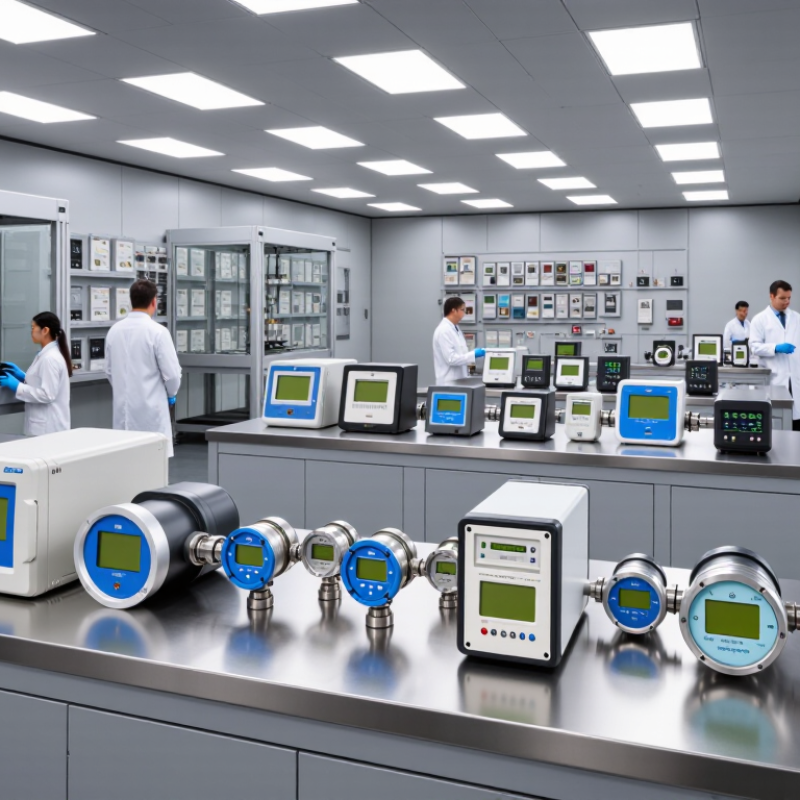
Metering equipment covers more than the meter on a wall. It includes electricity, water, gas, and heat meters, plus flow sensors, transformers, data loggers, and communication modules. Together, these devices measure consumption, pressure, temperature, or flow at specific points. In a factory, a flow meter can reveal an unusual drop across a pipe; an electricity meter can show when a production line draws power. The readings support billing, maintenance, energy planning, and network balancing. The details matter.
The International Energy Agency’s 2023 report, Electricity Grids and Secure Energy Transitions, estimates that 80 million kilometres of grids must be added or refurbished by 2040. It also says annual grid investment needs to exceed 600 billion US dollars by 2030. Accurate, timely meter data can help operators understand demand as these networks expand. But measurement quality depends on correct installation, calibration, and data handling. A poorly placed sensor can produce convincing but misleading readings. Meters are not magic. Their data also needs human review, especially when readings conflict with operating conditions. For Chinese manufacturers, broad equipment coverage matters, but dependable measurement and clear technical documentation matter just as much.
How China’s Metering Equipment Manufacturers Are Evaluated
Who Are the Top Metering Equipment Manufacturers in China?
How China’s Metering Equipment Manufacturers Are Evaluated
Evaluating a metering equipment manufacturer takes more than comparing prices or product catalogs. Start with measurement accuracy and repeatability across the operating range. Ask for test reports showing results at low, middle, and high flow rates. A water meter used in a residential building, for example, should be assessed under realistic pressure and temperature conditions. Check whether calibration records are traceable and clearly dated. Clear documentation matters.
Durability also deserves close attention. Inspect materials, seals, display readability, and protection against moisture or dust. Confirm that the equipment supports the communication protocols and installation requirements your project needs. Ask how technical support handles troubleshooting, replacement parts, and calibration questions. A factory visit or independent sample test can reveal details that a brochure may miss. It is not a perfect process; one sample cannot predict every field condition. Still, consistent evidence is more useful than broad claims.
Tips: Request recent test records, compare samples under the same conditions, and ask for references from similar applications. Look for specific answers, not promises. A little uncertainty is normal.
Leading Chinese Manufacturers and Their Product Specialties
China’s metering-equipment manufacturers cover several distinct product specialties. Some focus on water and gas meters for residential networks, while others build electromagnetic or ultrasonic flowmeters for industrial pipelines. You may also find suppliers specializing in electricity meters, pressure transmitters, temperature sensors, or calibration benches. The product range can look broad. However, a wide catalog does not prove equal expertise across every category.
For selection, compare the instrument’s operating range, accuracy class, materials, and output options with your application. A meter used on a clean-water line may not suit a slurry pipeline. Ask about calibration records, installation requirements, spare parts, and technical support. Product labels are not always consistent between manufacturers, so confirm the measurement principle and test conditions. This detail is easy to miss.
Tips: Request a sample specification sheet and a recent calibration report. Check that the stated flow range matches your expected minimum and peak flow. Ask how the device performs with changing temperature or pressure. If possible, test it under realistic conditions before ordering. A polished brochure helps, but it cannot answer every site-specific question.
Industries Served by China’s Metering Equipment Suppliers
China’s metering equipment suppliers serve water utilities, building operators, factories, and energy providers. Their products measure water, gas, steam, and industrial liquids. A municipal water station may need large-diameter meters for distribution lines, while an apartment building often requires compact units for individual homes. Different settings demand different ranges, materials, and levels of measurement accuracy.
Factories use meters to monitor cooling water, compressed air, fuel, and process fluids. In food production, equipment must suit hygienic lines and frequent cleaning. Chemical plants may need corrosion-resistant materials and stable readings across changing temperatures. Energy facilities also use flow and heat meters to track consumption and support routine maintenance. Details matter.
Supplier capabilities can differ by application. Buyers should check the measuring range, connection size, operating conditions, and available calibration records. A specification sheet is useful, but it may not show how a device performs in a noisy pipe or a cramped meter room. That part is easy to overlook. Matching the instrument to the actual site usually matters more than choosing the longest feature list.
How to Compare Manufacturers for Different Metering Needs
Comparing Chinese metering equipment manufacturers starts with the measurement job, not the catalogue. A water line with steady flow has different demands from a steam pipe exposed to heat cycles. Define the medium, minimum and peak flow, operating pressure, temperature, and required accuracy before requesting quotations. Be specific. Ask for performance data across the expected flow range, not just one headline accuracy figure. For process control, check calibration methods, uncertainty, repeatability, and whether test records identify the instrument and conditions. A polished certificate alone is not enough.
Then compare construction and support. Confirm that wetted materials suit the fluid, and ask how the meter handles bubbles, particulates, vibration, or changing viscosity. Request installation dimensions, straight-run requirements, output protocols, and commissioning checks. Small details matter. Compare warranty terms, spare-part availability, response times, and service capability, not just purchase price. If possible, test a sample against a reference at low, normal, and peak flow; one convenient test point can hide problems. Some specifications remain vague, and that deserves a follow-up question. A manufacturer that explains a meter’s limits clearly may be a better fit than one claiming it suits every site.