
Why Choose Silicone Baby Bibs for Your Baby?

Why Choose Silicone Baby Bibs for Your Baby?

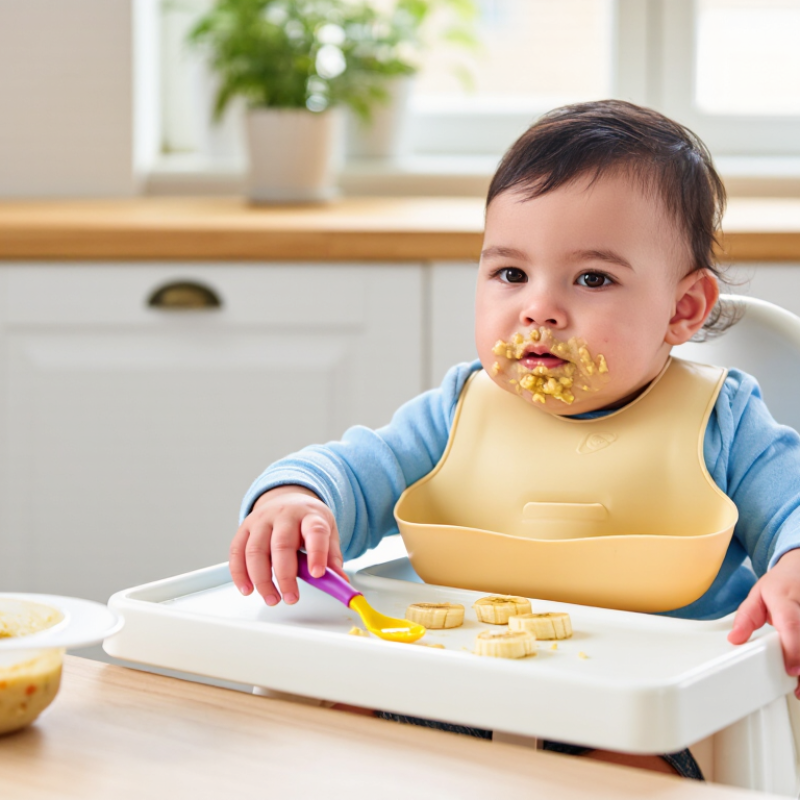
Mealtimes are a daily chance for babies to explore new tastes, textures, and self-feeding. They can also leave mashed banana on a sleeve and oatmeal beneath the highchair. A Silicone Baby Bib offers a practical layer of coverage, with a built-in pocket that can catch some dropped food before it reaches the floor. It is not a shortcut to cleaner meals. But it may make cleanup less frustrating.

The need for patient, repeated food exposure is well established. UNICEF’s 2021 Fed to Fail? report estimated that only 29% of children aged 6–23 months worldwide received the minimum dietary diversity. A bib cannot improve diet quality or guarantee a baby will accept new foods. It can, however, help caregivers manage the ordinary mess that comes with offering varied foods. Small detail. A pocket that stays open matters more than one that folds flat against a child’s shirt.

Silicone bibs are often chosen because many can be wiped clean or washed after use. Check the product’s care instructions, material information, and age guidance before buying. Look for a comfortable neck opening, secure fasteners, and edges that do not dig into the skin. Babies grow quickly, and one bib may not fit well for long. That is worth considering. The best choice is not necessarily the most expensive one; it is a bib that fits your child and suits your cleanup routine.
Why Choose Silicone Baby Bibs for Your Baby?

What Silicone Baby Bibs Are and How They Work

Why Choose Silicone Baby Bibs for Your Baby?

What Silicone Baby Bibs Are and How They Work

A silicone baby bib is a flexible, reusable covering worn over a baby’s chest during meals. Most have a rounded pocket at the bottom that catches falling food, such as peas, soft fruit, or cereal. The bib’s smooth surface does not soak up spills like cloth, so it can usually be wiped clean or washed with warm, soapy water. Many designs use adjustable neck fasteners to help achieve a comfortable fit. A bib should sit securely without pressing tightly against the neck.

Tips: Adjust the neck opening before serving food, and check that the catch pocket stays open. After meals, rinse away food promptly, especially from folds and fasteners. Let the bib dry fully before storing it.

Fit and care matter. A bib that is too large may bunch under a baby’s chin, while one that is too small may leave clothing exposed. Inspect it regularly for cracks, tears, or loose fasteners, and stop using it if damaged. It can make cleanup easier, but it does not prevent choking or replace close adult supervision during meals. A little mess may still escape.

How Silicone Bibs Help Keep Mealtime Cleaner

A silicone bib can make a high-chair meal less messy by catching food before it reaches a baby’s lap. Its wide, open pocket sits below the chin and collects soft pieces of banana, cereal, or vegetables. Small wins matter. The pocket works best when the bib fits comfortably and stays open, rather than folding against the baby’s body.

Unlike a cloth bib, silicone does not soak up purée or milk. After a meal, crumbs and sticky spots can usually be rinsed away, then the bib can be washed with dish soap according to its care instructions. This may mean fewer stained bibs in the laundry basket. Not perfectly, though. Food can still slip around the edges, especially when a baby turns, leans forward, or pulls at the bib.

Check that the neck opening is secure but not tight, and look for cracks or damage during regular cleaning. A bib helps contain spills; it does not replace close supervision or a clear eating area. Even with a pocket, a stray piece of oatmeal may end up on the tray or floor. A damp cloth nearby can save a second trip to the sink.

Key Benefits Compared with Other Bib Materials

Why Choose Silicone Baby Bibs for Your Baby?

Key Benefits Compared with Other Bib Materials

At a high chair, a loose spoonful of yogurt can land on a baby’s chest or lap. A silicone bib’s raised pocket can catch some falling food before it reaches the floor. It is waterproof, so sauces and purees usually wipe away with a damp cloth. Cleanup can be simple. Fabric bibs feel soft and absorb drool, but they can hold stains and need regular laundering. Silicone does not soak up liquid in the same way.

Compared with many plastic bibs, silicone is flexible and can sit more comfortably around a small child’s neck. Some plastic styles feel stiff, though fit varies by design. A soft bib may fold easily into a diaper bag, and many silicone bibs can be rinsed at the sink. Check the care instructions, since not every product is suitable for a dishwasher.

There are trade-offs. Silicone can feel warm against the skin, and a bulky pocket may bother a baby who moves constantly. Fabric may be the gentler choice for drool or a quick outing. I might choose silicone for messy meals, but not assume it solves every spill. The fit matters; check the neck fastening and bib length before use.

Why Choose Silicone Baby Bibs for Your Baby? – Key Benefits Compared with Other Bib Materials

Comparison factor Silicone Cotton or other fabric Coated fabric (such as PEVA/EVA) Rigid plastic
Protection from spills Non-absorbent; helps keep liquids and food off clothing. Absorbs moisture, so wet food or drinks may soak through. Coating helps resist spills; seams and fabric backing may still need care. Usually wipe-clean and water-resistant; coverage depends on shape.
Cleaning after meals Often easy to wipe or rinse; some are dishwasher-safe. Check the care label. Typically needs laundering; stains may require prompt treatment. Often wipes clean, but follow the product’s washing instructions. Generally wipes clean; avoid harsh cleaners unless permitted by the maker.
Drying and reuse Does not absorb water and usually dries quickly after rinsing. Needs time to dry after washing; having spare bibs can be useful. Surface may dry quickly, while fabric backing can take longer. Usually dries quickly after wiping or washing.
Food-catching pocket Many designs include a flexible pocket that can catch dropped food; shape and fit matter. Some have pockets, but soft fabric pockets may not stay open. Pocket performance varies by design and how well it holds its shape. A shaped pocket may hold its form, though rigid edges can feel less flexible.
Portability and storage Flexible and often foldable, but generally bulkier than a thin cloth bib. Lightweight and easy to fold; may need a separate bag when damp or soiled. Often lightweight and foldable; folding flexibility varies by coating. Can be awkward to pack because it does not fold flat.
Best suited to Messy meals when quick cleanup and liquid resistance are priorities. Drooling, light spills, or families who prefer a soft fabric feel. Families seeking a light bib with a wipeable surface. Meals at home when a firm, wipeable bib is preferred.
What to check before use Neck fit, smooth edges, care instructions, and age suitability. Secure fasteners, washing instructions, and any signs of wear. Coating condition, fasteners, and the maker’s cleaning guidance. Smooth edges, secure fasteners, and cracks or damage.

Material performance varies by construction and product. Choose a bib that fits your baby, follow its care instructions, and supervise your baby during meals. A bib is not a substitute for safe feeding practices.

Safety, Cleaning, and Everyday Care

Why Choose Silicone Baby Bibs for Your Baby?

Safety, Cleaning, and Everyday Care

A silicone bib can make mealtime cleanup easier, but safe use still depends on fit and regular checks. Choose one intended for food contact, and follow its care instructions. The neck opening should sit comfortably, without pinching or hanging loose. Small checks matter. Look for cracks, tears, or damaged fasteners before each meal. A bib is not a safety device, so keep your baby seated and supervised while eating.

Rinse off soft food soon after meals, before it dries in the pocket or along the edges. Wash with warm water and mild dish soap, paying attention to folds where food can collect. A dishwasher may be suitable, but check the product instructions first. Then let it dry fully. A damp bib tucked into a bag can develop an unpleasant smell.

For everyday care, keep the bib away from sharp utensils and direct heat. It is tempting to dismiss every stain as harmless, but check for changes in texture, persistent odor, or damage. Replace it if it no longer cleans well or fits securely. Cleaning takes only a minute, though the pocket can hide more crumbs than expected.

How to Choose a Silicone Bib for Your Baby

When choosing a silicone bib, check the fit before focusing on color or shape. The neck opening should sit comfortably without rubbing or leaving deep marks. Adjustable fasteners can help as your baby grows, but they should close securely and stay out of reach during use. Look for a wide, curved pocket that opens naturally to catch soft food and crumbs. A stiff pocket may fold flat when your baby leans forward. Small details matter.

Tips: Gently flex the bib and inspect its edges for rough spots or cracks. Check the care instructions before buying; some bibs are dishwasher-safe, while others need hand washing. Wash a new bib before its first use. Let it dry fully, especially around the fasteners.

Choose a bib that feels light enough for your baby to move in and is easy for you to clean after meals. If possible, try it over your baby’s usual clothing to check the fit. No bib catches everything. A little food may still land on the floor, and that is normal. Keep your baby seated and supervised while eating, and stop using the bib if it becomes damaged or no longer fits comfortably.

How to choose: Silicone bibs are typically flexible, water-resistant, and easy to wipe clean. Check the product label for care instructions, including whether the bib is dishwasher-safe. Choose a comfortable fit with an adjustable closure and a pocket that stays open to catch food. Always supervise your baby while eating.