Why Choose The Club Steering Lock for Vehicle Security?
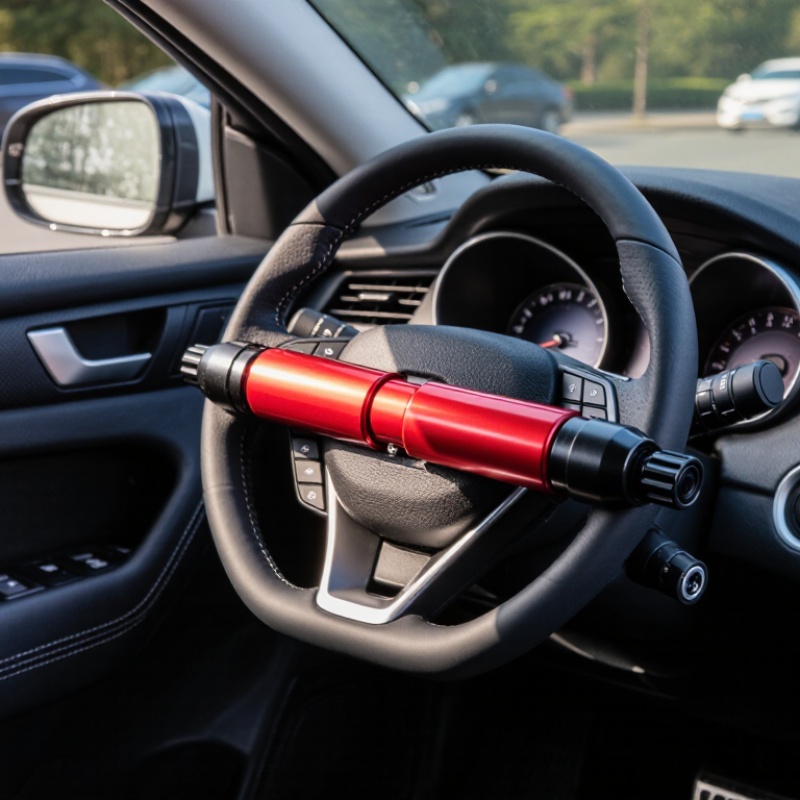
Vehicle theft prevention often depends on several small choices, not one perfect product. The Club Steering Lock adds a visible physical barrier across the steering wheel, making a parked vehicle look less inviting to opportunistic thieves. Its bright finish is easy to notice through the windows, while its adjustable design can fit many steering wheels. Check the product specifications before buying, since fit and operation may vary by vehicle.
In everyday use, the lock is straightforward: position it securely, engage the mechanism, and keep the key in a safe place. A firm fit matters. A loose or poorly positioned device may offer less practical resistance, so take a moment to follow the manufacturer’s instructions. No device is foolproof. That matters.
The Club Steering Lock can make sense for drivers who want an additional, visible layer of security without changing their vehicle’s electronics. It may be especially useful when parking outdoors, on a quiet street, or in an unfamiliar area. Still, it is not a substitute for sensible habits, such as locking doors and choosing a well-lit parking spot. It can also feel cumbersome during rushed mornings. That is a real drawback, and one worth weighing against the reassurance of seeing a physical lock in place. This guide looks at what the device does well, where its limits are, and what to consider before choosing one.
What The Club Steering Lock Is and How It Is Designed
A steering-wheel lock is a removable mechanical bar that attaches across the steering wheel. Many designs use adjustable steel sections and hooked ends to grip the rim. When locked, the bar limits how far the wheel can turn. Its bright, exposed shape can also make a vehicle appear less convenient to target. It is a visible deterrent, not a guarantee against theft.
The design balances strength with quick fitting. A lock cylinder holds the bar at a chosen length, while padded contact points can help reduce scratches. Exact construction varies, so check that the model fits your wheel and follow its instructions. The bar may feel awkward to store, and a rushed fit can leave it loose. Small details matter.
Tips: Fit the hooks securely around the wheel, then tug gently to check for movement. Keep the key accessible, but not inside the vehicle. Inspect the wheel’s finish now and then; padding can shift or wear.
How the Steering Lock Restricts Vehicle Movement
A steering wheel lock restricts movement by creating a physical barrier across the wheel. Many designs grip the rim and brace against another part of the wheel or the vehicle’s interior. When someone tries to turn the wheel, the extended bar meets a fixed surface and limits rotation. The steering may shift slightly, but it cannot turn normally. That interruption makes it harder to guide the vehicle away under its own power. A solid stop.
Fit matters. A loose lock may slide or leave more room for movement than intended. Check that its contact points sit securely and that it does not press against the horn, dashboard, or other controls. Use it only when the vehicle is parked. The device does not disable the engine, prevent every form of theft, or stop a vehicle from being moved by other means. That distinction matters. A visible lock can add a practical obstacle, but it should not create false confidence. I would also inspect the wheel and lock for wear; small details are easy to overlook. Used alongside sensible parking choices, a properly fitted lock can make steering the vehicle away more difficult.
Security Benefits and Practical Limitations
A steering-wheel lock adds a visible obstacle inside the cabin. Its bright metal bar can catch a passerby’s eye through the window, while fitting it takes only a few moments once you know the mechanism. That small pause matters. It may discourage an opportunistic attempt, especially when the vehicle is parked in a well-lit place and valuables are out of sight. Use the lock according to its instructions, and check that it sits firmly on the wheel without pressing against the dashboard or glass.
The limits are real. A steering-wheel lock does not prevent window damage, protect items inside the car, or guarantee that a determined thief will give up. Compatibility also matters: the bar must fit the wheel securely, and a loose fit can reduce its usefulness. In cold weather, stiff fingers can make removal awkward; at night, poor cabin lighting adds another nuisance. It is easy to overestimate a device because it looks substantial. A better approach is to treat it as one layer alongside locked doors and sensible parking. Routine is the weak point. If the lock stays in the trunk, it offers no deterrence.
Choosing a Club Steering Lock for Your Vehicle
Choosing a Club steering lock starts with fit, not appearance. Check that the bar sits firmly across your steering wheel and cannot slide off with a light tug. Measure the wheel if you are unsure. A loose fit can make the device awkward to use. It can also reduce its practical value. Fit matters.
Look for a sturdy metal body, a lock that turns smoothly, and parts that do not rattle excessively. Try the key before buying, if possible. A stiff mechanism may become frustrating when you are in a hurry. Consider where the lock will sit in your car, too. A compact model is easier to store beneath a seat, while a bright finish may be easier to notice through the window. Neither feature guarantees protection.
Daily use is part of the choice. If installation takes too long, you may be tempted to skip it on a short stop. Practice fitting and removing the lock while parked, and check that it does not obstruct nearby controls. A steering lock is a visible deterrent, not a substitute for careful parking or other sensible security habits. It is not magic. Some inconvenience is normal, and that is worth considering before you buy.
Proper Installation, Use, and Maintenance
Before fitting a steering lock, park on level ground, switch off the engine, and remove the key. Check the product instructions for the correct fit on your steering wheel. A lock that is too loose may slide; one forced into place can damage the wheel. Seat its padded ends securely, then extend the bar until it resists movement. Do not let it press against the dashboard, airbag area, or delicate controls. Test the horn and steering controls before leaving.
Use the lock as one layer of protection, not a promise that a vehicle cannot be stolen. A visible device may discourage opportunistic tampering, while good parking choices and locked doors still matter. Keep the key where you can find it, but not beside the lock in the vehicle. On a cold morning, stiff mechanisms can be awkward. Never force the key or lever; pause and check the alignment.
Inspect the lock regularly. Look for cracks in the coating, bent sections, loose joints, or a key that catches. Wipe away grit with a soft cloth, and follow the maker’s care instructions for lubrication. Avoid pouring household oil into the mechanism; it may attract dirt. If the lock no longer fits firmly or opens smoothly, stop relying on it until it has been checked or replaced. A quick monthly check is easy to forget. Make it part of routine vehicle care.