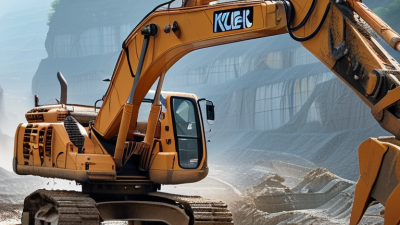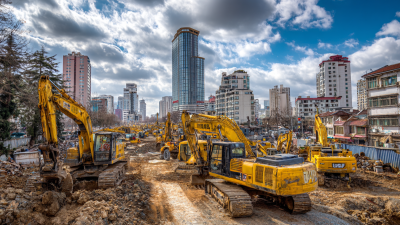
The 2026 equipment market will reward buyers who connect machine capability with project reality. A civil engineering machine must handle soil conditions, transport limits, operator skills, and maintenance access. Excavators, wheel loaders, motor graders, pavers, cranes, and compactors remain central to roads, bridges, ports, and urban utilities. Yet the best machine is not always the largest one.
Deloitte’s 2025 Engineering and Construction Industry Outlook identifies productivity, labor shortages, digital technology, and cost control as major industry pressures. These pressures are changing purchasing decisions. Telematics can show idle time, fuel use, service alerts, and working hours from a mobile dashboard. Small details matter. A grader working beside a live highway needs stable control, precise blade response, and dependable after-sales support. A crawler excavator on a remote foundation site needs strong hydraulics and accessible filters. Manufacturers increasingly promote electric and hybrid models, while the International Energy Agency’s reports highlight continuing global attention to energy efficiency and emissions reduction.
Regional evidence also matters. GlobalData’s construction intelligence research links infrastructure growth with public investment, urbanization, and transport development, but market forecasts can differ sharply. That uncertainty deserves attention. No ranking is perfect. A low purchase price may hide shipping delays, weak parts supply, or costly downtime. Buyers should compare verified specifications, warranty terms, safety documentation, total cost of ownership, and local service capacity. This guide examines leading 2026 civil engineering machines for global buyers, using industry reports, practical operating conditions, and supplier reliability as key measures. Some conclusions may need revision as technology and regional demand change. That is a limitation worth stating clearly.
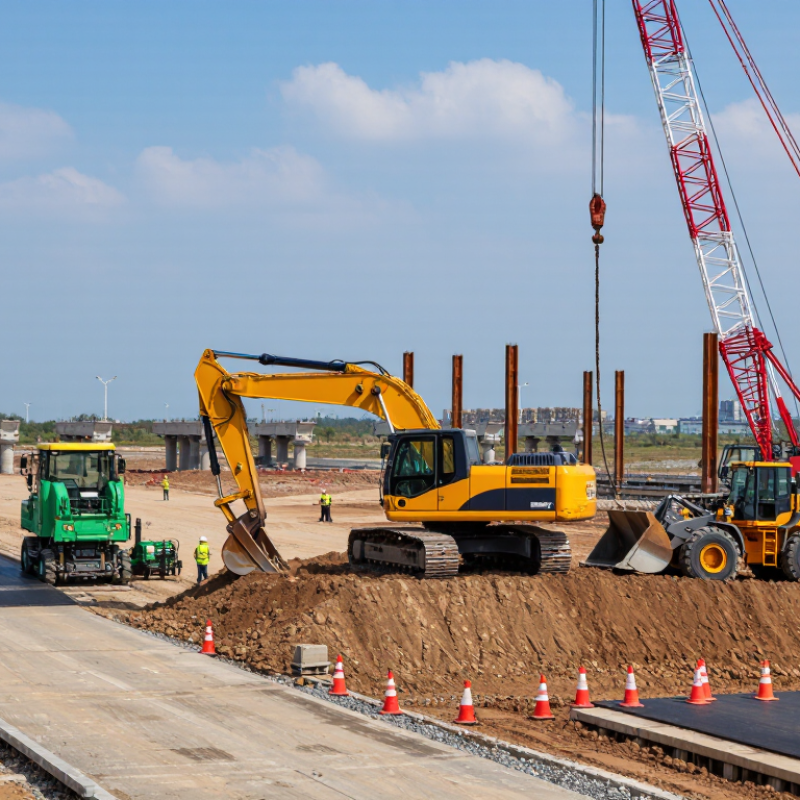
A modern civil engineering machine in 2026 is more than powerful equipment. It must combine productivity, safety, efficiency, and useful digital control. On active projects, operators need clear screens, accurate positioning, and fast access to machine data. A delayed warning can waste fuel, time, and several hours of labor.
Electric and hybrid systems are becoming practical for urban construction. They reduce noise near hospitals, schools, and residential areas. However, charging access remains uneven across regions. A machine that performs well in a showroom may struggle on a remote road. Buyers should examine battery life, charging time, service support, and performance in dust, rain, and steep terrain. This is where specifications can disappoint. Field conditions are rarely perfect.
Tips: Test the machine with real attachments and local materials. Check visibility from the operator’s seat. Request maintenance records, safety certifications, and parts availability. Confirm that software updates follow local data and workplace requirements. Choose simple controls when possible; complicated systems may increase training time. Measure fuel or energy use during a full work cycle, not during a short demonstration. Also, speak with experienced operators. Their criticism may reveal problems that brochures omit.
Civil engineering machines are best judged by function, not appearance. Earthmoving equipment shapes jobsite geography. Excavators dig trenches, load trucks, and remove broken concrete. Bulldozers spread soil across rough ground. Wheel loaders move aggregate between stockpiles and hoppers. According to Off-Highway Research’s 2024 market analysis, construction equipment demand remains highly sensitive to infrastructure spending and replacement cycles. That matters for buyers planning five-year ownership costs.
Compaction and grading machines control what workers cannot easily see. Motor graders create accurate road profiles before paving. Single-drum rollers compact deep soil, while vibratory rollers finish granular layers. Pavers distribute asphalt at controlled widths and temperatures. Concrete pumps then move wet concrete through long pipelines, reducing manual handling around foundations. The Global Infrastructure Hub estimates that global infrastructure investment needs will reach about 97 trillion dollars by 2040. More roads, bridges, and utilities require coordinated machine fleets, not isolated purchases.
Lifting machines handle steel, formwork, pipes, and precast elements. Cranes provide vertical reach, while telehandlers support shorter, changing tasks. Surveying systems and machine-control tools improve grade accuracy, but they do not replace skilled operators. The 2023 UNEP Global Status Report for Buildings and Construction links the sector to 37% of global energy and process-related emissions. Lower-emission powertrains deserve serious attention. Still, electric machines may struggle on remote sites. A clean specification can look impressive and fail in muddy reality. Duty cycle, soil conditions, service access, operator training, and local regulations must shape the final choice.
2026 Top Civil Engineering Machines for Global Buyers?
For global buyers, machine selection should begin with project conditions, not impressive brochure numbers. Compare operating weight, engine power, hydraulic flow, bucket capacity, lifting height, and breakout force. These specifications reveal whether an excavator, loader, or crane can handle real workloads. A machine working on soft clay needs lower ground pressure and suitable track width. Urban projects may require compact transport dimensions and reduced noise.
Tips: Build one comparison sheet. Record rated capacity, fuel use, cycle time, service intervals, warranty terms, and local parts availability. Check measurements under the same testing standards. A larger engine does not always deliver better productivity. Transport width and axle limits can change the final cost. Confirm emissions, safety, and operator-protection requirements in the destination country.
I have seen buyers focus on horsepower while overlooking hydraulic response and attachment compatibility. That choice can create delays when the machine handles breakers, augers, or lifting tools. Review working radius, maximum depth, stability, and visibility from the cab. Telematics may support maintenance planning, but data quality varies. Ask for verified test reports and field references from similar soil and climate conditions. No rating is perfect. A spreadsheet can still miss operator skill, weather, and site access. A short trial on actual ground often reveals more than a polished specification sheet.
Typical current-market specification ranges for comparing machine classes. Actual performance varies with configuration, attachments, materials, altitude, site conditions, operator skill, and local regulations.
| Machine Type | Typical Operating Weight | Typical Engine Power | Primary Working Attachment | Typical Capacity or Width | Typical Reach, Depth, or Speed | Best-Fit Civil Engineering Projects | Key Buying Comparison Factors |
|---|---|---|---|---|---|---|---|
| Crawler Excavator | 8–90 metric tonnes | 50–500 kW | Hydraulic boom, arm, and interchangeable bucket | Bucket: 0.25–6.0 m³ | Maximum digging depth: approximately 4–8 m for common mid-size units; greater on larger configurations | Foundation excavation, trenching, utilities, quarrying, demolition, and bulk earthmoving | Hydraulic flow, digging force, tail-swing radius, undercarriage width, attachment compatibility, and fuel consumption |
| Crawler Dozer | 8–110 metric tonnes | 75–670 kW | Front-mounted straight, semi-U, or U blade; optional rear ripper | Blade width: approximately 2.5–7.5 m | Typical working speed: 3–12 km/h; maximum travel speed commonly 10–14 km/h | Site clearing, bulk grading, road formation, embankments, stockpiles, and rough terrain work | Blade capacity, drawbar pull, ground pressure, transmission control, ripper performance, and slope stability |
| Wheel Loader | 5–55 metric tonnes | 55–550 kW | Front-mounted general-purpose, rock, high-tip, or light-material bucket | Bucket: 1.0–12.0 m³ | Typical travel speed: 20–40 km/h, depending on transmission and road configuration | Aggregate handling, truck loading, quarry operations, stockpiles, recycling, and material transfer | Bucket breakout force, tipping load, cycle time, turning radius, tire size, lift height, and payload-to-fuel ratio |
| Motor Grader | 12–35 metric tonnes | 100–300 kW | Center-mounted moldboard with optional scarifier or rear ripper | Moldboard width: approximately 3.0–4.9 m | Typical grading speed: 4–12 km/h; maximum travel speed often 35–45 km/h | Fine grading, road shoulders, drainage slopes, airport paving preparation, and final formation work | Blade control accuracy, articulation angle, circle rotation, cross-slope capability, traction, and operator visibility |
| Articulated Dump Truck | 20–75 metric tonnes | 180–650 kW | Rear-dump articulated body | Payload: 15–60 metric tonnes; body: approximately 9–40 m³ | Maximum speed commonly 45–60 km/h; gradeability often up to 25–35% under suitable conditions | Overburden removal, mining, remote infrastructure, earthworks, and hauling on uneven or soft ground | Payload compliance, body volume, traction, turning radius, retarder performance, tire cost, and haul-cycle fuel use |
| Rigid Haul Truck | 35–360 metric tonnes | 350–2,600 kW | Rear-dump rigid haul body | Payload: 30–360 metric tonnes; body: approximately 18–220 m³ | Maximum speed commonly 45–70 km/h, depending on payload class and haul-road conditions | Large open-pit mines, major dam projects, large-scale quarrying, and long-term high-volume haulage | Payload rating, mine-road width, braking system, tire availability, drivetrain type, cycle productivity, and service infrastructure |
| Vibratory Soil Compactor | 7–22 metric tonnes | 55–180 kW | Single smooth drum or padfoot drum with vibration system | Drum width: approximately 1.5–2.4 m | Typical compaction speed: 3–6 km/h; effective lift thickness depends on soil and moisture | Road bases, embankments, dams, building pads, trench backfill, and granular or cohesive soil compaction | Static linear load, vibration amplitude, frequency, drum type, oscillation control, pass-count monitoring, and slope capability |
| Asphalt Paver | 10–25 metric tonnes | 100–250 kW | Heated screed with material hopper and conveyor system | Paving width: approximately 2.5–13.0 m | Typical paving speed: 1–20 m/min; output depends on mix supply and layer thickness | Highways, urban roads, airport pavements, bridge decks, and large parking areas | Screed heating, width range, hopper capacity, grade control, material feed consistency, paving speed, and emissions compliance |
| Mobile Crane | 10–500 metric tonnes | 100–500 kW | Telescopic or lattice boom with hook block and lifting accessories | Rated capacity: 10–500 tonnes; boom length varies by configuration | Maximum hook height commonly 20–120 m; working radius depends on load chart and counterweight | Structural erection, bridge construction, precast installation, industrial maintenance, and urban lifting | Load chart, rated capacity indicator, boom length, outrigger footprint, road mobility, wind limits, and local lifting regulations |
| Truck-Mounted Concrete Pump | 15–65 metric tonnes | 150–450 kW | Hydraulic placing boom with concrete delivery pipeline | Concrete output: approximately 30–180 m³/h | Vertical reach: approximately 20–65 m; horizontal reach: approximately 15–60 m | High-rise structures, bridges, foundations, tunnels, slabs, and projects with restricted concrete access | Boom reach, concrete output, maximum aggregate size, pipeline diameter, setup footprint, washout system, and road-transport limits |
| Cold Milling Machine | 10–45 metric tonnes | 250–750 kW | Rotating milling drum with cutting tools and conveyor | Milling width: approximately 0.35–3.8 m | Typical milling depth: 0–350 mm; production depends on material hardness and depth | Pavement rehabilitation, lane removal, surface correction, recycling preparation, and utility reinstatement | Cutting width, maximum depth, drum configuration, conveyor reach, grade control, water use, and cutting-tool wear rate |
| Trencher | 2–35 metric tonnes | 50–400 kW | Chain, wheel, or micro-trenching cutting attachment | Typical trench width: 75–600 mm | Typical trench depth: 0.6–2.5 m; specialist units can exceed this range | Utility corridors, cable installation, drainage, irrigation, pipelines, and narrow trenching projects | Trench width and depth, ground hardness, spoil removal, steering accuracy, attachment changeover, and utility-location requirements |
Comparison note: For international procurement, compare machines using the same measurement standards and operating conditions. Confirm rated payload, net engine power, transport dimensions, working-envelope data, emissions certification, spare-parts support, warranty terms, operator training, and total cost of ownership before purchase.
2026 Top Civil Engineering Machines for Global Buyers?
Civil engineering machines turn plans into measurable progress on difficult sites. Excavators open foundations, clear rock, and prepare drainage trenches with controlled movement. Motor graders shape road surfaces, while compactors press loose soil into stable layers. Cranes lift structural materials where manual handling would create serious delays and risks. These machines support roads, bridges, railways, ports, and water treatment facilities across different climates.
Reliable performance begins with matching equipment to site conditions. A tracked excavator may work well on muddy ground, but its transport needs careful planning. Electric equipment can reduce local emissions, yet charging access remains limited on some remote projects. Fuel-powered machines offer longer working periods, although fuel storage and maintenance demand strict control. Buyers should examine load capacity, operating depth, spare-part availability, safety systems, and local technician skills.
Field experience shows that productivity is not only about engine power. A skilled operator can prevent uneven grading, overloading, and unnecessary wear. Daily inspections should check hydraulic hoses, tires or tracks, brakes, lights, and warning alarms. Small leaks become expensive failures. Sometimes, project teams choose machines that are too large for narrow urban sites. That decision looks efficient on paper, but it can increase noise, transport costs, and ground damage. Better planning requires honest site measurements and room for changing weather.
In 2026, global buyers are comparing excavators, wheel loaders, graders, cranes, and asphalt pavers by more than engine power. A machine that fits local rules usually creates fewer delays at the port and jobsite. Check emissions certificates, safety guards, lifting documents, noise limits, and electrical requirements before signing. Ask for serial-number records and test reports. Paperwork matters.
Purchase price is only one part of the calculation. Fuel use, tire wear, hydraulic maintenance, operator training, insurance, and financing can reshape the first-year cost. Field experience shows that cheaper equipment may create weeks of delay when filters or technical support are unavailable. A written parts list helps. Request realistic fuel data from a comparable workload, not only laboratory figures. Some estimates remain optimistic. That deserves scrutiny.
Logistics planning should cover container dimensions, route restrictions, unloading equipment, customs documents, and weather-related storage risks. For oversized machines, measure bridges, turning areas, and site access before dispatch. After-sales service should include response times, remote diagnostics, training, warranty boundaries, and local technician coverage. Do not accept vague promises. A practical contract names spare-parts lead times and escalation contacts. Independent inspections before shipment add cost, but they can expose leaks, poor welds, or hidden damage. Buyers should review performance after six months, because early assumptions may prove wrong.
Global Buying Factors: Compliance, Cost, Logistics, and After-Sales Service
This weighted procurement benchmark compares the factors most commonly reviewed when sourcing major civil engineering machines internationally. Compliance covers emissions, safety, and certification requirements; cost includes purchase and operating expenses; logistics reflects transport, lead time, and parts availability; after-sales service measures technical support, warranty response, and maintenance coverage.