7 Tips to Choose the Best Civil Engineering Machine?
Choosing a civil engineering machine is not a matter of buying the biggest model or the newest one. The right choice depends on the work, the site, and the costs that continue after delivery. A compact excavator may suit a narrow urban lot, while a larger machine could be more productive on open ground. Soil conditions, access roads, lifting needs, and available attachments all affect performance. Small details matter.
Civil engineer Arthur Mellen Wellington once wrote, “An engineer can do for a dollar what any fool can do for two.” His reminder fits equipment selection: value comes from matching capability to the job, not chasing the lowest price. Compare operating weight, reach, power, fuel use, and transport requirements against actual project demands. Check whether local technicians can service the machine and obtain parts without lengthy delays. Ask operators to assess visibility, controls, and access for routine maintenance. A neat specification sheet can still hide a poor fit.
These seven tips will help you assess job requirements, machine type, performance, safety features, ownership costs, dealer support, and long-term reliability. Treat quoted productivity figures as estimates; ground conditions and operator experience can change results. Still, there is no perfect machine. A careful shortlist, supported by site measurements and realistic cost estimates, can help you choose equipment that works reliably without paying for capacity you rarely use.
Define the Project Requirements and Site Conditions
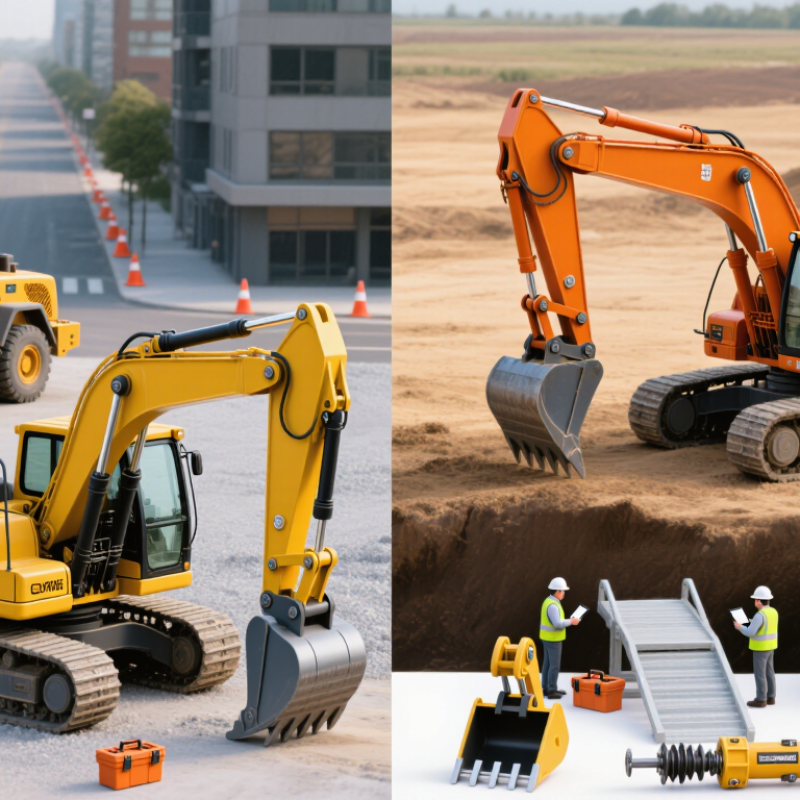
Define the work before comparing machine specifications. A deep utility trench, a broad cut, and a compact urban site demand different reach, capacity, and maneuverability. Check soil type, groundwater, slope, overhead clearance, access width, and ground bearing capacity. A 20-ton excavator may reach the required depth, but soft, saturated soil can make its weight a serious constraint. On site, a narrow entrance or buried service can matter more than peak horsepower. Small details, big consequences.
Safety data reinforces the need for a site-specific assessment. OSHA recorded 39 trenching-related worker deaths in 2022, up from 15 in 2021, in its trenching and excavation incident data. Before specifying equipment, review geotechnical logs and locate utilities; then match track or tire configuration, attachment, and operating envelope to the actual ground and task. Check travel distance and material volume, too: an undersized haul fleet can leave an excavator waiting, while oversized equipment may struggle to turn or load safely. BLS reported 1,075 fatal work injuries in the construction industry in 2023, underscoring why access, visibility, and safe operating space deserve attention alongside productivity. Plans are not the ground. Recheck conditions after rain or excavation begins; initial assumptions can be wrong.
Compare Performance, Safety, and Regulatory Compliance
Choosing a civil engineering machine starts with the work it must perform. Match its capacity, reach, and dimensions to the drawings and site conditions. A machine that looks powerful on paper may struggle on soft ground or in tight access areas. Check rated output under realistic loads, not just peak figures. Ask operators who have used similar equipment what slows them down. Their answers can be imperfect, but often useful.
Compare fuel use, maintenance intervals, and access to routine service points. Then inspect safety features: rollover protection, emergency stops, alarms, clear sightlines, and stable entry steps. Sit in the cab. Can the operator see nearby workers and reversing routes? Small details count. Poor visibility can matter more than a polished specification sheet. Consider fatigue, too; long shifts make seat comfort and simple controls important.
Check that machine documents match your location and intended use. Verify applicable emissions, noise, inspection, and operator-training requirements with the relevant authority or a qualified safety professional. Requirements can vary by jurisdiction and project. Do not assume a supplier’s general statement covers every site. Review manuals, inspection records, and maintenance history, then arrange a practical demonstration on comparable ground. I would still leave room for judgment: test conditions rarely reproduce a busy, uneven worksite exactly.
Assess Total Costs, Maintenance, and Parts Availability
A civil engineering machine can look affordable on a quote and become costly after months of work. Compare the purchase or rental price with fuel, transport, operator time, insurance, and expected resale value. Downtime costs money. On a road project, an excavator waiting for a hydraulic hose can delay truckloads, crews, and follow-on tasks. Request written estimates for routine servicing and common repairs, rather than relying only on a maintenance schedule.
Check how easily technicians can reach filters, grease points, belts, and inspection panels. A service task that takes an extra hour may seem minor, but repeated delays affect operating costs. Ask what daily checks operators should perform and how often major components need attention. Small delays add up. It is easy to overvalue a low purchase price and underestimate the time needed to keep a machine working.
Parts availability deserves the same scrutiny as machine performance. Ask suppliers for typical lead times on wear items, hydraulic hoses, filters, and critical components. Confirm whether parts are stocked nearby or shipped from a distant warehouse. A promised delivery time is not always guaranteed, so check it against the project schedule. Estimate the cost of keeping essential parts on site, then compare it with the risk of waiting. Even a careful estimate can miss a detail; record assumptions and revisit them when work conditions change.
Verify Supplier Support Before Making the Final Choice
When choosing a civil engineering machine, verify the supplier’s support before comparing attractive specifications. Ask for proof. Request written service-response times, the location of technicians, and typical delivery times for wear parts. Then ask who handles a breakdown during a busy project week. “We provide support” is not a service plan.
McKinsey’s 2017 report, Reinventing Construction, estimated construction labor productivity grew about 1% annually over two decades. The global economy averaged 2.8%. That gap makes avoidable downtime worth examining, though productivity depends on more than equipment support. Ask the supplier to walk through a realistic fault scenario: a warning light appears, the machine is carrying a full bucket, and the nearest technician is hours away. Run the scenario. Check whether remote diagnostics, operator training, and parts access are clearly explained. Read warranty exclusions closely, especially for routine wear and field repairs. A polished brochure may not answer who arrives, or when. I would still compare these promises with references from contractors using similar machines; written commitments can sound stronger than day-to-day service. Ask for a sample service record and a named contact, not just a general hotline.
7 Tips to Choose the Best Civil Engineering Machine? — Verify Supplier Support Before Making the Final Choice
Use this checklist to assess supplier support before choosing a machine. Each bar starts at 0 because no supplier evidence has been assessed; change a value to 1 only after verifying the relevant documentation or commitment.